

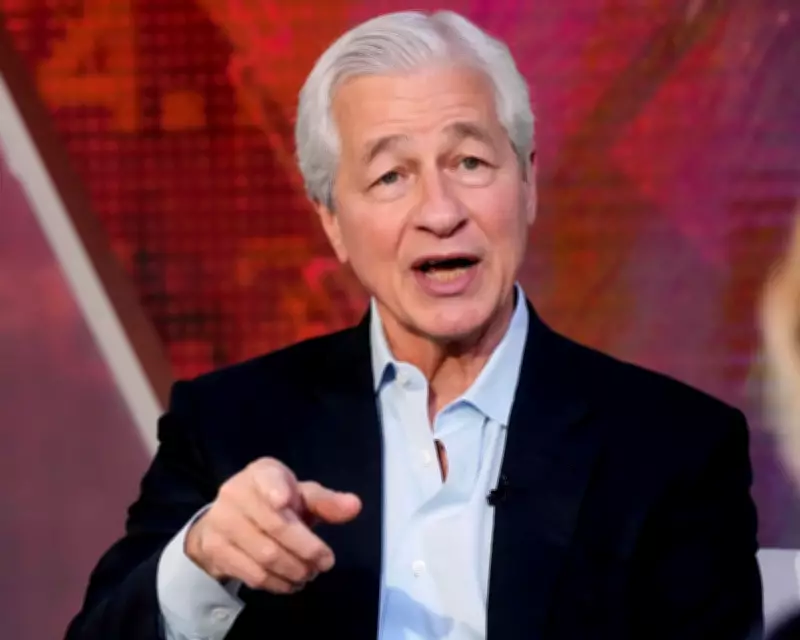
In a significant communication to stakeholders, Jamie Dimon, the chief executive officer of JP Morgan Chase, has issued a stark warning regarding the potential economic repercussions of former President Donald Trump's proposed tariff policies. The letter, addressed to shareholders, underscores the banking giant's apprehensions about heightened trade barriers and their possible impact on global financial stability.
Economic Disruptions and Market Volatility
Dimon's correspondence highlights that the implementation of new tariffs could lead to substantial disruptions in international trade flows. He emphasizes that such measures might trigger increased market volatility, affecting not only the United States but also economies worldwide. The CEO points out that tariffs often result in retaliatory actions from other nations, potentially escalating into broader trade conflicts that could hinder economic growth.
Strategic Concerns for Financial Institutions
From a strategic perspective, Dimon outlines how JP Morgan is preparing for various scenarios involving trade policy shifts. He notes that the bank is closely monitoring developments and adjusting its risk management frameworks to mitigate potential adverse effects on its operations. The letter stresses the importance of maintaining robust capital reserves and liquidity to navigate uncertain economic landscapes.

Historical Context and Future Projections
Reflecting on past experiences, Dimon recalls the trade tensions during Trump's previous administration, which led to fluctuations in global markets. He warns that a resurgence of similar policies could exacerbate existing challenges, such as inflation and supply chain bottlenecks. The CEO projects that prolonged tariff disputes might dampen investor confidence and slow down recovery efforts in post-pandemic economies.
Shareholder Implications and Corporate Governance
In addressing shareholders directly, Dimon assures them that JP Morgan remains committed to transparent communication and proactive governance. He encourages investors to consider the long-term implications of trade policies on portfolio performance and corporate earnings. The letter concludes with a call for prudent policy-making that balances protectionist interests with the benefits of free trade.
Overall, Jamie Dimon's shareholder letter serves as a cautionary tale about the risks associated with tariff-driven economic strategies, urging stakeholders to stay informed and vigilant in an increasingly interconnected global market.






