
China's economy expanded by 5% in 2025, meeting the official target set by Beijing, according to data released on Monday by the National Bureau of Statistics. The growth rate matched that of 2024, defying expectations that punitive US tariffs and a prolonged property downturn would significantly hamper economic performance.
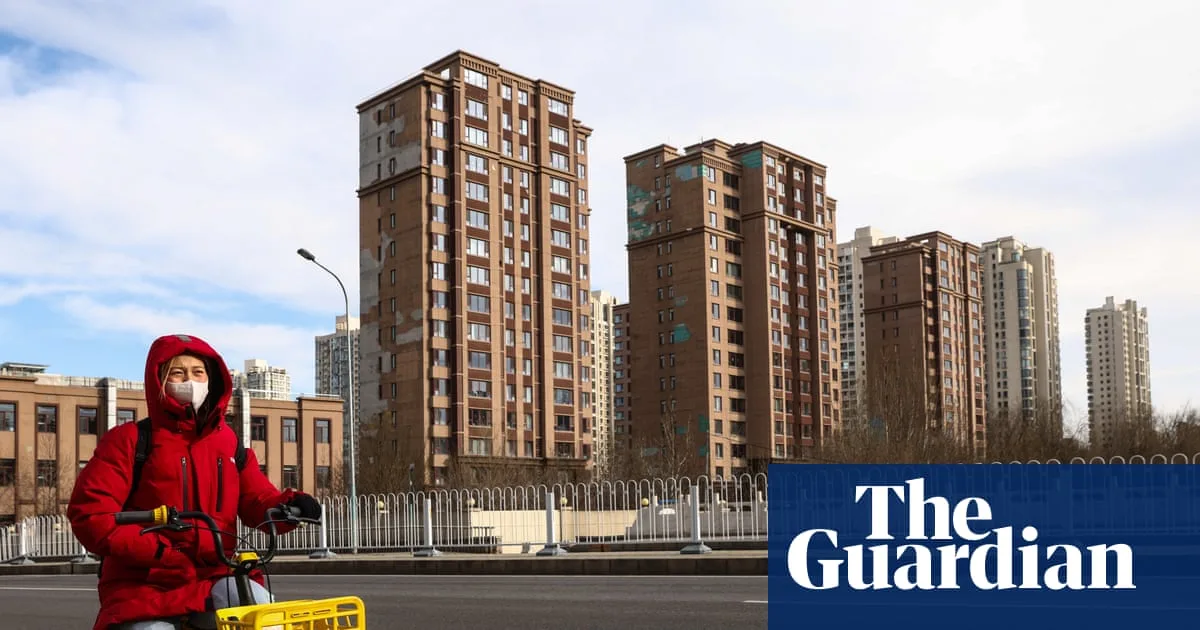
However, the final quarter of 2025 saw a slowdown, with GDP rising only 4.5% year-on-year, the weakest quarterly figure since early 2023. The slowdown was driven by persistent structural challenges, including a four-year housing market slump that has depressed consumer confidence and spending.
China recorded a record trade surplus of $1.2 trillion in 2025, as exporters found alternative markets and US tariffs proved less severe than initially threatened. Luke Yeaman, chief economist at the Commonwealth Bank of Australia, noted that navigating geopolitical tensions remains a major wildcard, but warned that domestic structural problems, such as the property crisis, are not going away.
Home prices have fallen by more than 20% since their 2021 peaks, contributing to a looming debt crisis in the property sector. Meanwhile, China has battled deflation, with consumer prices rising only 0.8% in 2025. Yeaman cited Japan's experience in the 1990s as a cautionary example of how property busts can suppress growth for years.
Citi analysts described a 'K-shaped' economy, where retail sales disappointed in December even as exports and manufacturing continued to climb. Experts have also questioned the reliability of official statistics, with Capital Economics estimating that actual growth may be around 3.5% after accounting for potential inflation of up to 1.5 percentage points.
Chinese officials have pledged to boost household consumption, which accounts for less than 40% of annual economic output, well below the global average of 60%. Last year, the government provided 300 billion yuan ($43 billion) in subsidies for appliance trade-ins, a scheme extended into 2026. However, analysts at Moody's Analytics expressed scepticism, noting that households and businesses are waiting to see if rhetoric translates into action.




