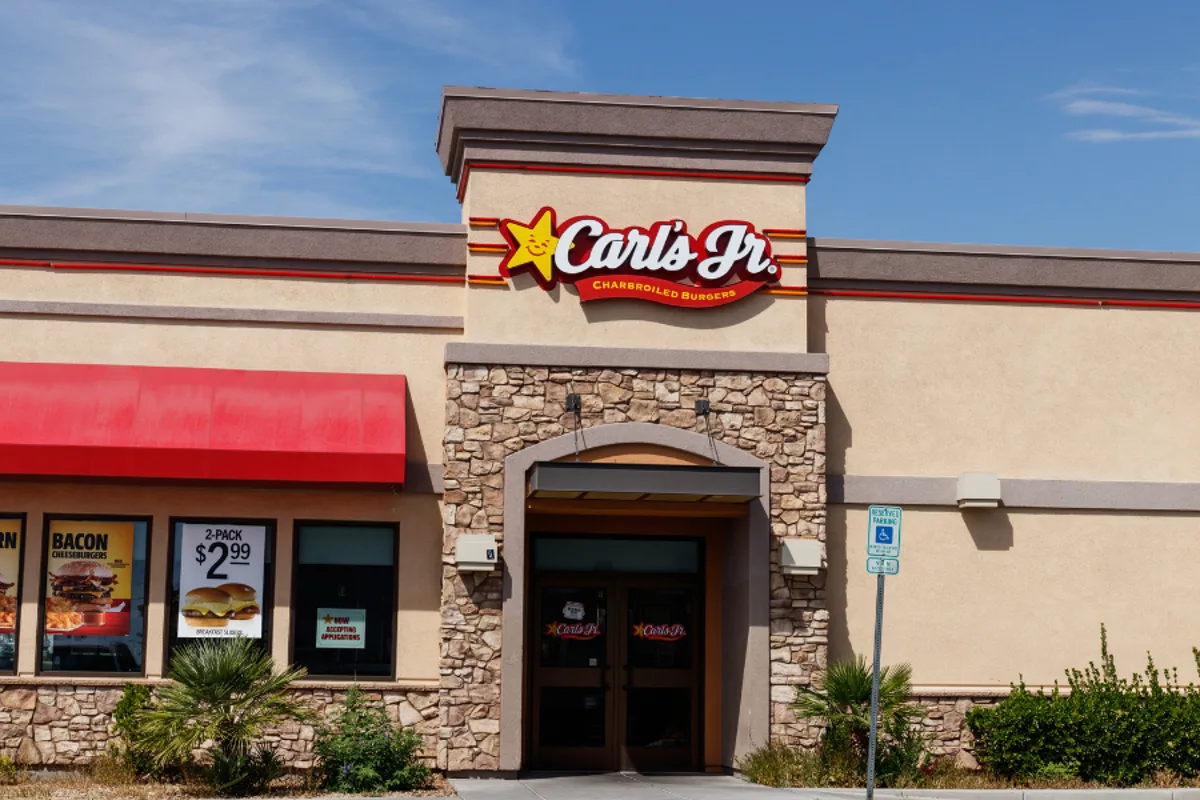
Major Carl's Jr. Franchisee Files for Bankruptcy Protection in California
A significant Carl's Jr. franchisee, which operates 65 locations across California, has officially filed for Chapter 11 bankruptcy protection. This move involves multiple companies owned by Harshad Dharod, the CEO of Friendly Franchisees Corporation, the group behind these restaurants. The filings were submitted late last week in California, as reported by Restaurant Business.
Entities Involved and Court Proceedings
The entities filing for bankruptcy include Sun Gir, Inc., Senior Classic Leasing, DFG Restaurants, Second Star Holdings, and Third Star Investments. Sun Gir, Inc. has requested that the court consolidate these cases into a single proceeding, a standard practice when related businesses file simultaneously. This consolidation allows for more efficient oversight of the restructuring process by the court, rather than handling each case individually.
According to court documents obtained by Restaurant Business, each entity reported less than $50,000 in both assets and liabilities. This highlights the financial constraints faced by the franchisee. Currently, there are over 1,000 Carl's Jr. locations across the United States, with approximately 62 percent, or more than 600, situated in California alone.
Restructuring and Brand Impact
By filing for Chapter 11, the companies aim to restructure their debts while continuing their operations. This process provides the franchisee with an opportunity to stabilize financially under court supervision. A spokesperson for Carl's Jr. emphasized that this bankruptcy is isolated to this specific franchisee and does not reflect the overall health of the brand or its other locations.
"We are aware that Carl's Jr. franchisee Harshad Dharod entities and its affiliates, which together independently own and operate certain Carl's Jr. restaurants in California, have entered into a court-supervised restructuring process under Chapter 11 of the United States bankruptcy code," a representative told Restaurant Business. "This situation is specific to this individual's financial and business circumstances."
The statement concluded, "This has no impact on the operations of any other Carl's Jr. locations and we remain committed to delivering quality experiences for our guests, while driving profitable, sustainable growth for our franchisees and the brand." The Independent has also reached out to Carl's Jr. for further comment.
Industry-Wide Strains and Economic Pressures
These filings add to growing signs of strain among restaurant franchise operators, many of whom are grappling with rising labor costs, higher food prices, and shifting consumer spending habits. In California, the pressure is particularly intense due to a new law requiring fast-food workers to earn at least $20 per hour. This higher wage has forced many operators to increase menu prices, making it more challenging to attract customers while covering escalating costs.
Simultaneously, Carl's Jr. has been experiencing declining performance. Alongside its sister chain Hardee's, the brand saw U.S. sales drop by 6 percent to approximately $1.4 billion last year, according to Technomic data reported by Restaurant Business. Average sales per location also fell by 2.7 percent to roughly $1.4 million, indicating broader challenges within the fast-food sector.
The bankruptcy filing underscores the financial difficulties faced by franchisees in a competitive and cost-sensitive market, with California's regulatory environment adding an extra layer of complexity. As the restructuring process unfolds, it will be closely watched by industry analysts and stakeholders for its implications on the broader restaurant franchise model.






