
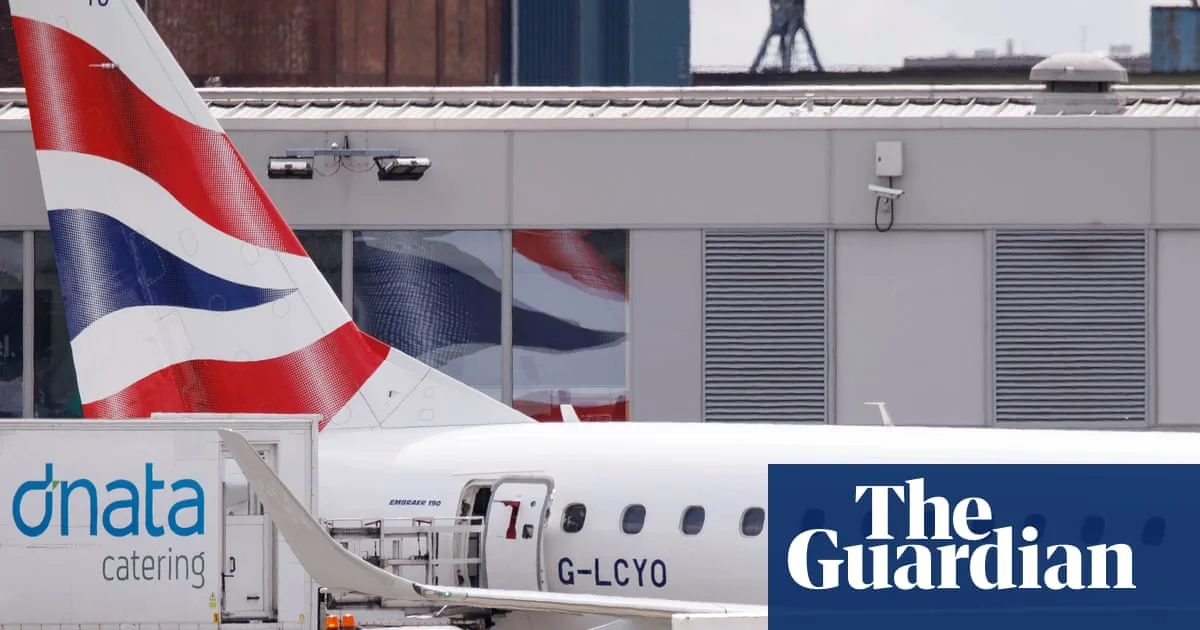
Airlines and other service sector companies are increasingly turning to fuel surcharges to cover soaring costs, according to a survey by S&P Global. The poll found that nearly six in ten firms reported higher average costs in April, driven primarily by fuel and wage increases, as well as rising prices for metals and plastics. This contributed to businesses raising prices at the fastest pace in over three years.
IAG, the owner of British Airways, Iberia, Aer Lingus and Vueling, announced it would make "some pricing adjustments to reflect these higher fuel costs," stopping short of calling it a surcharge. Virgin Atlantic has added charges ranging from £50 for economy to £360 for business class tickets. Its new chief executive, Corneel Koster, noted that it would still be "hard to make a profit this year."
Tim Moore, economics director at S&P Global, said the cost increases were "overwhelmingly linked to greater transportation bills and increased salary payments." He added that the introduction of fuel surcharges led to a spike in prices-charged inflation across the service economy, reaching its highest level in over three years in April.
Despite the price rises, the services sector showed slight improvement, with the purchasing managers' index rising to 52.7 from an 11-month low of 50.5 in March. However, Moore warned this could be short-lived, as new business remained subdued and the Iran war weighed on firms' confidence to invest.
The widespread price increases are likely to pressure the Bank of England to raise interest rates, despite policymakers voting to keep borrowing costs on hold last week. Bank governor Andrew Bailey said, "The longer this problem goes on and the longer the disruption to energy supplies goes on, the more difficult the scenario we’re in."
Brent crude fell below $100 a barrel amid hopes of reopening the Strait of Hormuz, but prices remain volatile. Thomas Pugh, chief economist at RSM UK, noted that the ultimate impact depends on energy price movements, but warned of rising unemployment and weaker growth, suggesting any tightening cycle would be short and shallow.




