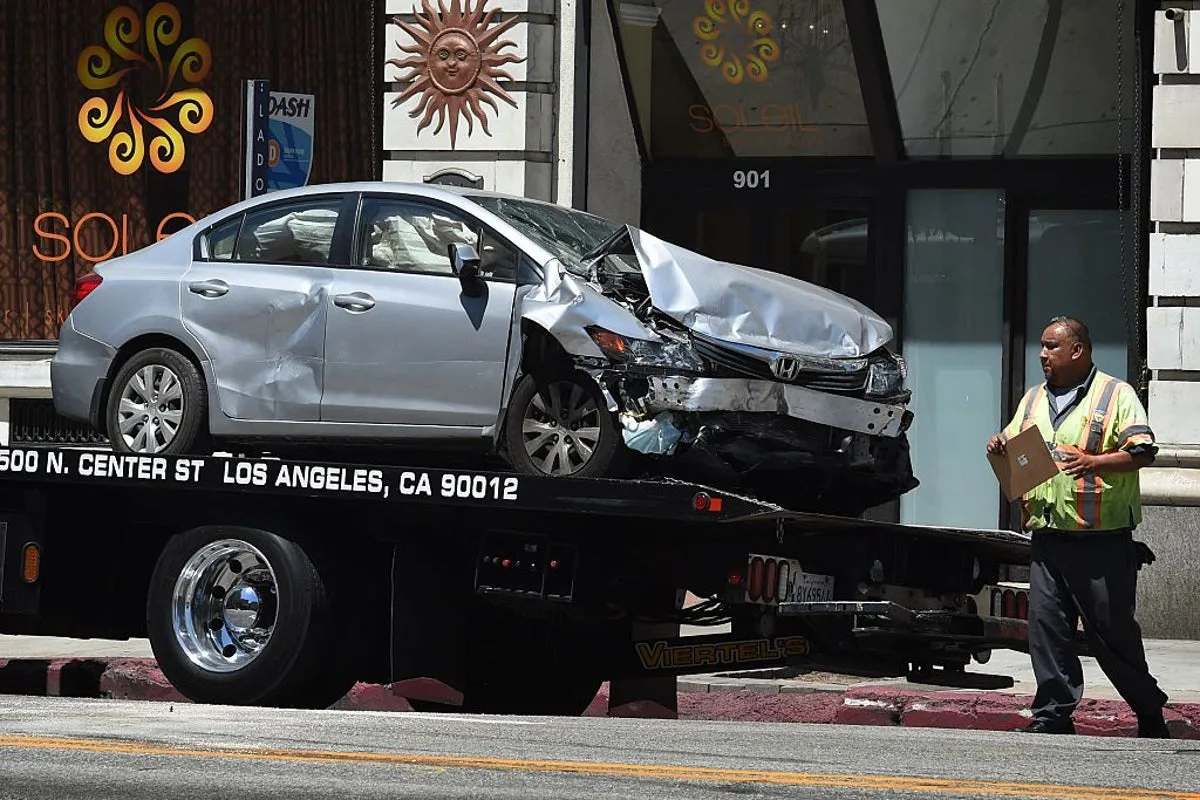
Drivers in the United States filed 1.7 million animal-collision claims from July 2024 to June 2025, with insurers facing an average bill of around $5,000 per claim, according to an analysis by Texas-based Aulsbrook Car & Truck Wreck Injury Lawyers. The total cost to the US economy, including emergency services and medical bills, exceeds $10 billion every year.
Deer are the most common victims, accounting for 1.1 million of the 1.7 million claims. The odds of hitting an animal vary significantly by state. West Virginia has the highest risk, with 1 in 38 drivers likely to collide with an animal, followed by Florida (1 in 46), Kansas and North Dakota (1 in 54), and Idaho, Wisconsin and Wyoming (1 in 57).
November is the most dangerous month for animal collisions, driven by deer mating season and the end of daylight saving time, which results in darker roads and reduced visibility when deer are most active. Drivers in high-risk states are advised to take precautions, such as not swerving to avoid a collision.

Franklin Manchester, principal global insurance advisor at SAS, warned that swerving can lead to more serious accidents and may not be covered by comprehensive insurance. Comprehensive coverage typically covers hitting an animal without premium increases, but swerving into a tree or oncoming traffic may be classified as a collision loss, leading to fault assignment and higher premiums.
Manchester recommends that drivers, especially those in high-risk states like West Virginia and Florida, keep comprehensive coverage even on older vehicles, as it is relatively inexpensive and also covers theft, fire, and windshield damage.