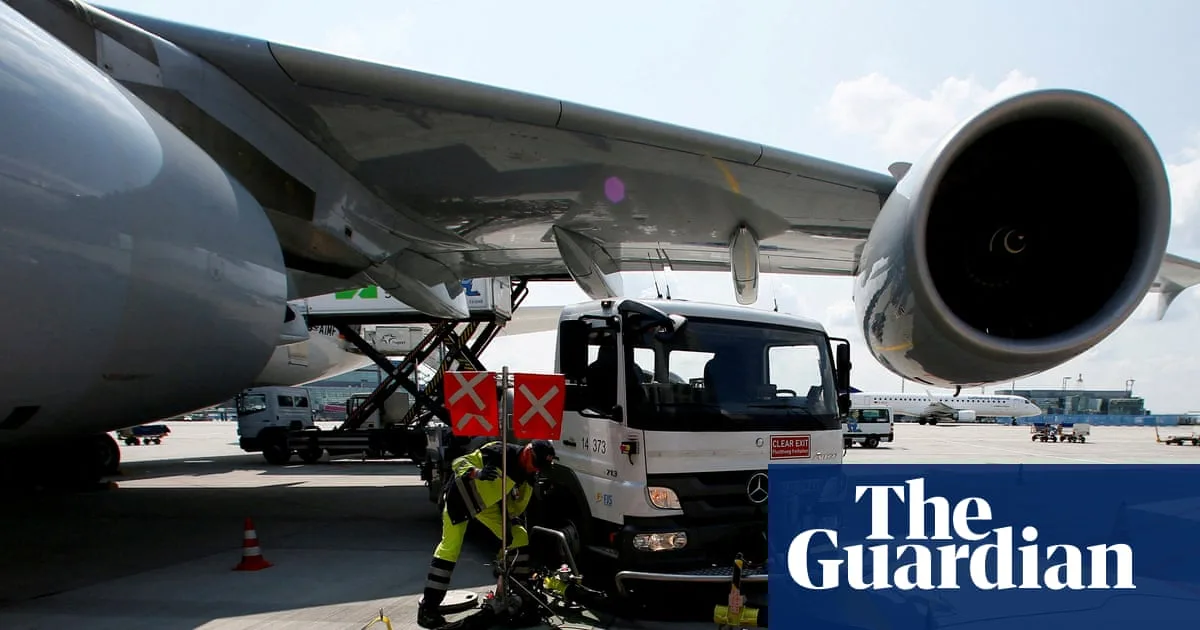
The global aviation industry is grappling with a severe jet fuel crisis triggered by escalating conflict in the Middle East, leading to widespread flight cancellations and the imposition of additional charges by airlines. Willie Walsh, Director General of the International Air Transport Association (IATA), has warned that passengers should prepare for higher airfares as carriers can no longer absorb the rising costs stemming from disruptions in the Strait of Hormuz.
While Walsh assured that there is no immediate concern over jet fuel shortages, he emphasized that the inevitable consequence of rising fuel prices will be an increase in ticket costs. "There may be some instances where airlines will discount to stimulate some traffic flow… but over time it’s inevitable that the high price of oil will be reflected in higher ticket prices," he told the BBC.
Summer Travel Outlook
Despite the turmoil, Tui, Europe's largest tour operator, has reassured holidaymakers that peak summer flights will proceed as planned. Mathias Kiep, Chief Financial Officer of Tui Group, stated, "I’m very much convinced that we will see no shortage in the next 10 weeks. There’s definitely enough fuel." He added that while prices may rise, Tui is hedged against fuel cost increases.
Data from aviation analytics firm Cirium reveals a sharp rise in flight cancellations for May, with 296 departures from UK airports grounded, representing 0.75% of total scheduled flights. This is a significant increase from just 120 cancellations reported six days earlier. However, the outlook for the peak summer period appears more stable, with limited schedule reductions for June, July, and August.
Airline Responses
German carrier Lufthansa and Turkish Airlines account for a substantial proportion of grounded services. Lufthansa has cancelled 20,000 flights over six months to save fuel, while Turkish Airlines has seen over 3,000 cancellations affecting 23 routes. Heathrow Airport has recorded just over 100 cancellations, primarily extensions of previously planned operations to Gulf region airports.
Airports are easing regulations to allow airlines to cancel flights without forfeiting allocated slots if fuel scarcity prevents operations. Below is a list of how airlines are responding, in alphabetical order:
- Aegean Airlines expects suspended Middle East flights and fuel price spikes to have a "notable impact" on first-quarter results.
- AirAsia X has cut 10% of flights across the group and introduced a 20% fuel surcharge.
- Air France-KLM plans to increase long-haul ticket prices by 50 euros per round trip; KLM cancelled over 150 European flights.
- Air Canada will trim four of its 38 daily flights to New York from June to October.
- Air India revised its fuel surcharge to a distance-based grid on domestic routes.
- Air New Zealand slashed flights through May and June and hiked fares, suspending its full-year earnings forecast.
- Air Transat reduced planned capacity by 6% from May to October, with cuts on European and Caribbean routes.
- Akasa Air introduced a fuel surcharge of 199 to 1,300 Indian rupees on domestic and international flights.
- Alaska Air increased checked bag fees and withdrew its full-year profit forecast.
- American Airlines hiked checked baggage fees by $10 each for first and second bags and by $150 for the third.
- Asiana Airlines will slash 22 flights between April and July.
- British Airways (IAG) is considering "pricing adjustments" but has reassured customers no immediate surcharges will be added.
- Cathay Pacific cut about 2% of scheduled passenger flights and hiked fuel surcharges by 34%.
- Cebu Air continues to review pricing and network strategies to mitigate fuel price impact.
- China Eastern Airlines raised fuel surcharges for domestic flights from April 5.
- Delta Air Lines cut capacity by 3.5 percentage points and increased checked bag fees.
- EasyJet assured customers no surcharges will be added to flights or package holidays, but warned of higher ticket prices later in summer.
- Frontier Airlines is reviewing its full-year forecast due to significant fuel price increases.
- Greater Bay Airlines raised fuel surcharges on most routes from April 1.
- Hong Kong Airlines increased fuel surcharges by up to 35% from March 12.
- IndiGo introduced fuel charges on domestic and international flights from March 14.
- Jet2 vowed not to surcharge summer holidaymakers due to rising jet fuel costs.
- JetBlue Airways increased fees for optional services such as checked baggage.
- Korean Air entered emergency management mode from April to offset surging fuel costs.
- Lufthansa cancelled 20,000 flights over six months to save 40,000 metric tonnes of jet fuel.
- Norse Atlantic cancelled its London Gatwick to Los Angeles route due to fuel price rise.
- Pakistan International Airlines raised domestic fares by $20 and international fares by up to $100.
- Qantas delayed a planned buyback and raised its fuel bill estimate.
- Ryanair warned that several European airlines could face financial difficulties but affirmed it is well hedged.
- SAS cancelled 1,000 flights in April due to high oil and jet fuel prices.
- Spirit Airlines ceased operations on May 2; competitors offered capped ticket prices for affected customers.
- Spring Airlines raised fuel surcharges on domestic flights from April 5.
- Southwest Airlines forecast lower second-quarter profit and hiked checked baggage fees.
- TAP said price hikes would partially mitigate fuel cost impact.
- Thai Airways raised fares by 10% to 15% to address rising fuel costs.
- TUI reassured customers that peak summer flights will go ahead with no fuel surcharges for booked holidays.
- Turkish Airlines has been the most severely impacted, with over 3,000 flights cancelled; SunExpress imposed a temporary fuel surcharge.
- T'Way Air plans to furlough some cabin crew without pay in May and June.
- United Airlines CEO said ticket prices may need to rise by 15-20% to offset fuel costs; the carrier cut unprofitable flights.
- Vietjet adjusted flight frequency on selected routes due to potential fuel shortages.
- Vietnam Airlines plans to cancel 23 flights per week on domestic routes from April.
- Virgin Atlantic added fuel surcharges but will still struggle to return to profitability.
- Virgin Australia expects a A$30m-A$40m increase in jet fuel costs and a 1% capacity reduction.
- Volotea introduced a new pricing policy linking ticket prices to fuel costs, with potential post-purchase surcharges.
- WestJet cut seat capacity for June and added a C$60 fuel surcharge to some bookings.
The crisis underscores the fragile nature of the aviation industry amid geopolitical tensions, with passengers facing higher costs and reduced flight options in the coming months.