
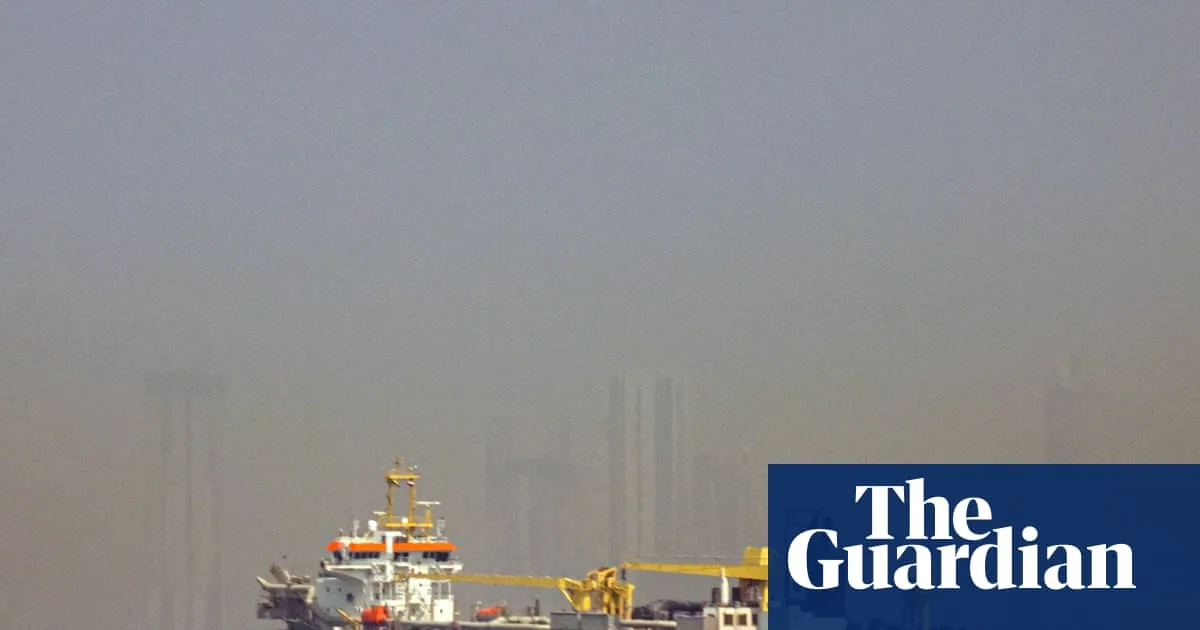
The escalating conflict between the US and Iran has sent oil prices soaring, with Brent crude rising to about $79 a barrel on Monday, an increase of 8.5%. This spike follows a weekend of tit-for-tat attacks, and prices have already risen significantly this year from just above $60 in January.
Natural gas prices have also surged, with benchmark European gas prices up 38% after QatarEnergy halted production at two sites due to drone attacks. The Strait of Hormuz, a critical passage for 20% of global oil supplies, is seeing tankers decline to use it, and insurers are reluctant to provide cover.
The impact on consumers is expected to be swift, as higher energy costs feed through to prices for other goods. The UK, as a net energy importer, will be particularly affected. The US, with its shale oil reserves, is better insulated, but prolonged high costs could deter the Federal Reserve from cutting interest rates.
Economists warn that if oil prices reach $90-100 a barrel and remain elevated, inflation in developed markets could be up to 0.8% higher than expected, potentially forcing central banks to raise interest rates again. The Bank of England's odds of a rate cut on 19 March have already fallen to 69% from 80% last week.
The duration of the shock is critical. If prices retrace due to de-escalation or increased output, the impact may be modest. However, a prolonged conflict could squeeze consumers and hamper economic growth.




