
The UK inflation rate remained steady at 3% in February, matching economists' expectations but remaining above the government's 2% target. The Office for National Statistics (ONS) reported that higher clothing prices were offset by falling petrol costs, with data collected before the onset of the Middle East conflict.
Food inflation eased to 3.3% from 3.6% in January, the lowest since March 2025, driven by drops in olive oil, flour and pizza. However, the Food and Drink Federation warned this could be 'the calm before the storm', as rising energy and fertiliser costs from the Iran war may push prices higher.
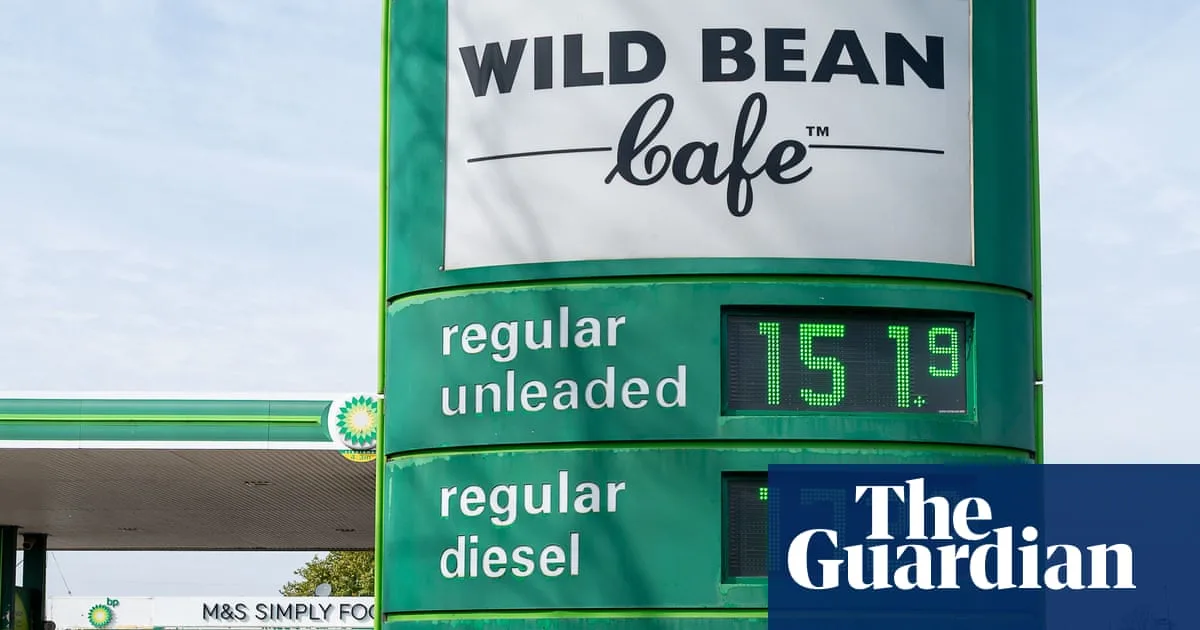
The conflict has sent oil and gas prices soaring after the effective closure of the Strait of Hormuz. Petrol prices have risen significantly, with unleaded up 12p or 9% per litre, according to the RAC. The Bank of England, which had forecast inflation falling to 2% in Q2, left rates on hold last week, with markets now expecting a rise.
Core inflation, excluding food and fuel, rose to 3.2% from 3.1%, raising concerns among hawkish policymakers. Chancellor Rachel Reeves said the government is reviewing targeted support for households facing higher utility bills, and has taken steps including £150 off energy bills.




