
UK inflation fell more than expected in November to 3.2%, its lowest level in eight months, driven by a slowdown in food price rises and Black Friday discounts. The Office for National Statistics reported the consumer prices index eased from 3.6% in October, surprising City economists who had forecast a modest drop to 3.5%.
Grant Fitzner, the ONS chief economist, said lower food prices were the main driver, with decreases particularly for cakes, biscuits, and breakfast cereals. Tobacco prices also pulled the rate down, as did women’s clothing. The slowdown strengthens the case for the Bank of England to cut interest rates for a sixth time on Thursday.
Analysts said a quarter-point cut in the base rate from 4% is nearly certain. James Smith of ING said the drop in inflation signals that price pressures are abating and expects a cut on Thursday followed by two more next year. Financial markets reflect a more than 90% chance of a reduction, and the pound fell 0.7% against the dollar.
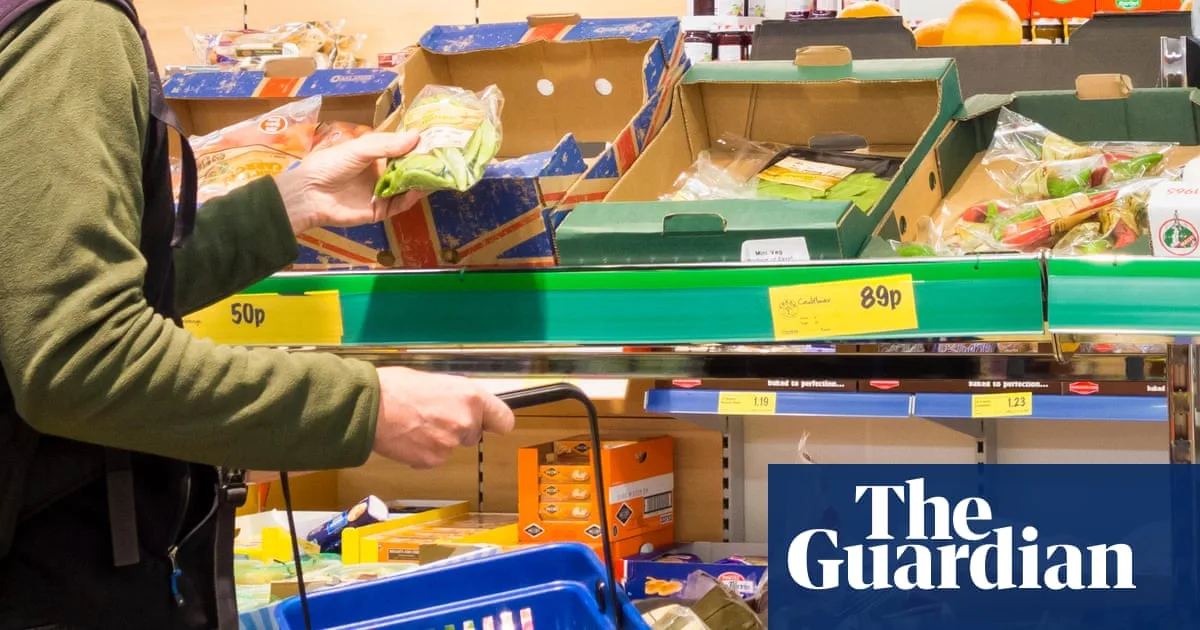
Food and drink inflation slowed from 4.9% to 4.2%, with steep price falls for olive oil (16.2%), flour (6.1%), and pasta (4.2%). Kris Hamer of the British Retail Consortium noted extensive Black Friday discounts contributed to the decline. Core inflation, excluding energy and food, also cooled to 3.2% from 3.4%.
Chancellor Rachel Reeves welcomed the fall, saying getting bills down is a top priority. However, inflation remains well above the government’s 2% target. Shadow chancellor Mel Stride warned that prices are still rising too fast, and Chris Belfield of the Joseph Rowntree Foundation highlighted that 7 million households cannot afford essential items heading into Christmas.




