
An anonymous modeller working for a major insurer has revealed that the insurance industry is "fudging the numbers" on climate risk, taking on more exposure than it should and leaving customers and the global financial system vulnerable to catastrophe.
The modeller, who assesses natural disaster risk on properties worldwide—from family homes to schools, government offices and multibillion-dollar commercial centres—says the world faces greater risk than ever from extreme weather. "We are not prepared – and that inaction could have profound consequences for the global financial system," they write.
Pressure to cut loss forecasts
The modeller describes coming under pressure to reduce forecasts for disaster losses to make insurance more affordable and win more business for their employer. While some questioning of models is justified, they argue it is too often aimed at artificially lowering prices rather than improving accuracy. "If this is happening at my firm, which is struggling to compete with rivals' prices, it's happening elsewhere," they say.
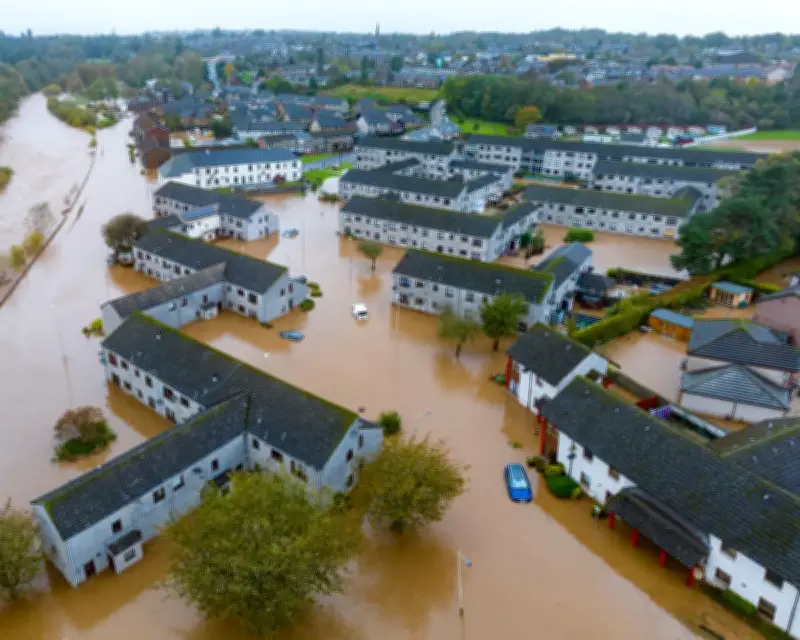
The sector is carrying more risk than it realises, the modeller warns. Warming global climate has caused more frequent high-intensity storms, rising sea levels, flooding, wildfires and drought. The long-term effects will be compounded as insurers withdraw from affected areas, leaving economies in freefall and daily life in ruins.
Underpriced policies and uninsurable homes
As a modeller, it is their job to look objectively and scientifically at data to calculate expected losses from natural disasters, which affects premium prices. But as analysis shows higher and more volatile risk, prices rise and customers are lost. "So modellers like me are coming under pressure to reduce their projected losses," they write. "In the most basic terms, we are collectively fudging the numbers and taking on more risk than we should for a lower price than the expected loss demands."
This approach, they say, will eventually lead to a sector built on "competitively priced" contracts that underestimate risk, leaving gaping holes in the safety net insurance is supposed to provide. For example, if drought-driven subsidence damages homes in an area, insurers may exclude it from policies, leaving residents uncovered. When that happens to an entire community, businesses leave, investment dries up and the local economy tanks—potentially across multiple towns simultaneously, and not just in the UK.
Reckless gambling and fragile foundations
The modeller expresses respect for underwriters and says no single individual is responsible, but criticises the industry's attitude towards modellers, actuaries and researchers: "There is a sense that we are an inconvenience to the deal-making process, rather than an essential part of risk management. We are the failsafe that stops our industry from reckless gambling."
Misquoted insurance can damage insurers, companies, their employees and the communities that rely on them. Customers are likely to be much more exposed to climate-related risks than they realise, and many should be budgeting for major premium increases or planning for their homes becoming uninsurable. If a major disaster hits and the industry lacks the money to pay every claim, the consequences could be profound: businesses could go bankrupt, the housing market could seize up and, if people couldn't pay their mortgages, banks could fail. As natural catastrophes become less predictable and more severe, the foundations of the entire economy will only become more fragile. "Our customers deserve to know," the modeller concludes.




