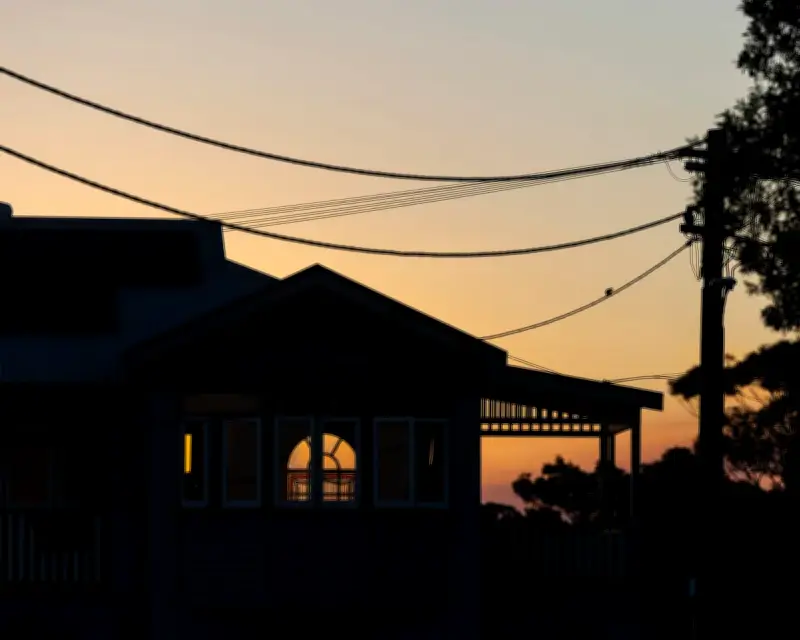
Daylight saving time returns in Australia on Sunday 4 October 2026, when clocks in the south-eastern states move forward one hour at 2am Australian eastern standard time (AEST), becoming 3am and providing an extra hour of afternoon daylight.
When does daylight saving start in Australia in 2026?
Daylight saving returns on the first Sunday of October every year and ends on the first Sunday of April. In 2026, it recommences on Sunday 4 October at 2am AEST.
Do clocks go back or forward in October?
Clocks move forward. Smart devices typically adjust automatically, but kitchen appliances, analogue clocks and watches need to be set one hour later manually.
Which states and territories have daylight saving?
New South Wales, Victoria, South Australia, Tasmania and the Australian Capital Territory will put their clocks forward at 2am on Sunday. Queensland, Western Australia and the Northern Territory do not observe daylight saving.
Do you get paid for working daylight saving time?
The Fair Work Ombudsman recommends employees and employers check their award or registered agreement for terms on daylight saving time. If there is no mention, payment is usually made “by the clock”. This means an eight-hour shift when the clock goes forward would last seven hours but still be paid for eight, while at the end of daylight saving in April, a shift would last nine hours but pay for eight.
How do you adjust your body clock?
The start of daylight saving means waking up an hour earlier. The NSW government website acknowledges the time change “can affect your sleep and daily routine”. It recommends adjusting bedtime by 15 minutes each night, maximising morning light and staying consistent with your sleep schedule. A major international study found some people experienced effects similar to minor jet lag and possible mood effects, but no association with significant declines in mental health.
When will daylight saving time finish?
Daylight saving will finish on Sunday 4 April 2027 at 3am Australian eastern daylight time (AEDT), when clocks turn back to 2am as eastern standard time resumes, giving more morning daylight.