A finance expert has warned the Prime Minister that he's getting it wrong over changes to the State Pension. Andy Burnham has said if Labour win the next election, due in 2029, it will alter how increases are decided.
Under the plan, which would come into effect in 2030, the state pension will no longer rise by whichever is highest of 2.5%, average earnings or inflation, but instead, will rise by the highest of inflation and 2.5%. However it has been promised that it will be assessed to ensure it keeps pace with average wages over the coming years.
The changes will mean while the pension will continue to rise this will be at a slower rate than at present. Any savings from the changes will go towards creating a National Care Service which will be aimed at tackling the cost families pay for care while also reducing pressures on the NHS.
Expert calls for honesty over costs
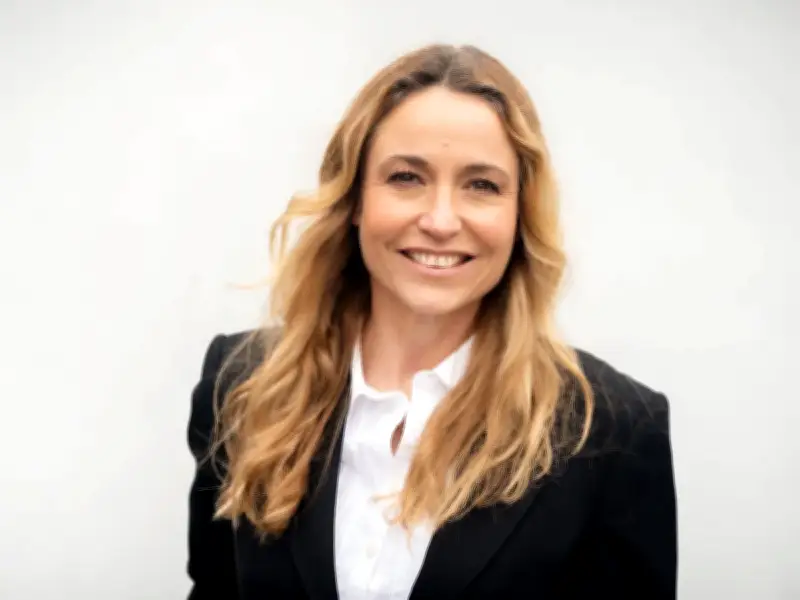
Antonia Medlicott, Founder and Managing Director at financial education specialists Investing Insiders, has set out what it means for future pensioners. And she is calling on the Prime Minister along with Chancellor John Healey to be honest and open with people about further changes to the state pension system.
She says: “More people back changing the triple lock to fund care than oppose it, 48 per cent to 28 per cent, according to YouGov. The public was ready for this conversation before the politicians were. Now the government needs to be straight with people about what it costs and who pays.”
The expert warns while the triple lock needs to be changed, the "wrong metric" is being used. She said: "The new policy needs to strike the right balance between protecting pensioners’ living standards and making the overall cost of the state pension more sustainable."
"Something was going to give eventually under the triple lock, and the sad truth is that it’s just not affordable for the long term anymore. Reforming the triple lock was overdue, but the Prime Minister has kept the wrong part."
What the change means
At the moment, the state pension rises each year by whichever is highest: prices, wages or 2.5 per cent. From 2030, that yearly link to wages goes. From what we know so far, pensions will rise by prices or 2.5 per cent, with a top-up if they fall behind wages over time.
“That's a step forward. It stops pensions racing further and further ahead of the workers paying for them. But the 2.5 per cent minimum is the part I'd have scrapped."
"Even in a year when prices and wages barely move, pensions still go up by 2.5 per cent. That costs a lot of money, and it doesn't leave the pension any higher in the long run, because wages catch up eventually anyway."
"I'd have done it the other way round: keep the yearly link to prices and wages, and drop the 2.5 per cent minimum. Pensioners would never fall behind the cost of living or working people, but there'd be no automatic bonus when both are low."
Antonia also told anyone more than a decade away from receiving the state pension what they can expect in the future. She said: “For anyone in their 30s, 40s or 50s, the message is clear, plan on the state pension being worth roughly 30 per cent of what a typical full-time worker earns, and no more."
She warns: "That's a floor, not a retirement plan. The change doesn't start until after the next election, which gives people around three and a half years' notice."
"I'd have liked a decade, because today's workers are the ones who'll need to save more privately to fill the gap. But at least it's written down now, so there's no excuse for not starting today."
National Care Service concerns
One area Antonia is worried about is the mention of a National Care Service, as changes to the triple lock alone aren’t enough to fund it. She said: “This is the bit that worries me. Pensioners are being asked to accept smaller rises in exchange for a care service that hasn't been fully paid for yet. The government admits the savings from the triple lock won't cover the cost on their own, and the rest of the funding plan won't be set out until next summer."
"Personal care would be free, but a care home bed and meals wouldn't be, so families could still face very large bills, as they do in Scotland, where free personal care has been available since 2002. The people giving something up in their late sixties are the same people who'll need the care in their eighties. I'd want them to know exactly what they're getting before they're asked to pay for it."
What about those already receiving their pension
Antonia has some hope for people already receiving their pension that may be worried. She said: “While it might have been inevitable, that doesn’t diminish the obvious worry it’s going to cause those who are already struggling in retirement to make ends meet. If you're already retired, your pension isn't going down, and it will still rise every year by at least inflation or 2.5 per cent."
"To put it in context, the IFS worked out that if this system had been running since 2011, the state pension would still have gone up by around three quarters, a rise of about 6 per cent after inflation. That's still a real rise, just a slower one."
Pensioners' tax bill
Another concern the finance expert has is around the personal allowance, as she believes the door has been left open to bring more pensioners into paying tax. She said: “Everyone's talking about 2030, but the bigger squeeze for pensioners comes much sooner."
"The full new state pension is set to go over the tax-free personal allowance for the first time in 2027-28. Frozen tax thresholds have already pulled around 600,000 more pensioners into paying income tax since 2021 than would otherwise have been the case."
"As things stand, the promise that people living on the state pension alone won't pay tax on it only covers this Parliament. If I were a pensioner, that's the question I'd want answered: will that promise outlast the next election?"