Interest rates are likely to go up in the UK if energy costs remain high, the Bank of England's deputy governor has warned today.
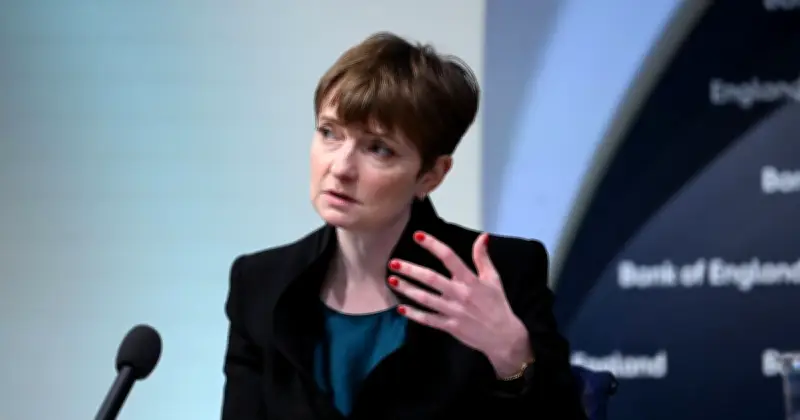
Bank of England Deputy Governor Clare Lombardelli said on Thursday that interest rates will probably have to rise if energy prices remain high, unless there is clear evidence of a weaker economy.
She said: "Policy is increasingly likely to need to tighten if elevated energy prices persist, absent clear evidence of disinflation or weaker activity."
Markets price November hike
Financial markets on Thursday indicated about a 75% probability that the bank will increase interest rates by a quarter point - from 3.75 per cent to 4 per cent - at its November meeting.
Markets are also anticipating four quarter-point rate rises in the UK by the conclusion of next year - which if true could take rates to 4.75 per cent by then.
Last week, the Bank of England delivered its most clear signal yet that it will need to increase interest rates in response to the Middle East energy crisis caused by the Iran conflict.
MPC split decision
The Monetary Policy Committee voted six to three to keep rates at 3.75 per cent last Thursday. However, Governor Andrew Bailey alerted households and businesses that "policy may have to tighten" [meaning rates would go up], with inflation likely to exceed 4 per cent next year.
During her address today, Ms Lombardelli said: "The key issue is not the spot price of energy itself [the main market price today for energy] but the interaction of the underlying economy, higher energy prices, and the nature of their transmission. That, ultimately, is what will determine whether Bank Rate needs to rise."
She was referring to how energy costs trickle down into other everyday costs and the impact of this on the UK economy.
Impact on loans and savings
The Bank of England published helpful guidance on this very subject within the past week.
It stated: "Bank Rate [the Bank of England's interest rate] is the interest rate we pay to commercial banks that hold money with us. Because of that, changes in Bank Rate influence the rates other banks charge people to borrow money or pay them on their savings.
"But it is not the only thing that affects interest rates on saving and borrowing. Interest rates can change for other reasons and may not do so by the same amount as the change in Bank Rate."
"To cover their costs, banks normally pay less to savers than they charge to borrowers. So, there is usually a gap between interest rates on savings and loans."
In its guidance last week, the Bank spelled out for ordinary Brits that interest rates directly influence consumer spending habits, which in turn affects how retailers and businesses set their prices.
It said higher interest rates result in steeper charges on mortgages and loans, forcing households to put aside more money towards repayments and less towards other spending. Additionally, savers benefit from greater returns while prospective borrowers face higher costs when seeking credit. These factors make it less appealing for individuals and businesses to spend money.
The bank said: "When people spend less, businesses are less willing or able to raise their prices. When prices do not go up so quickly, inflation falls."
It explained that reduced interest rates can produce the opposite outcome. Should mortgage and loan repayments fall, households will have additional funds available to buy things.
These elements all stimulate expenditure. When consumer spending increases, this indicates strong demand. And when demand is strong, firms frequently increase their prices, driving up inflation.