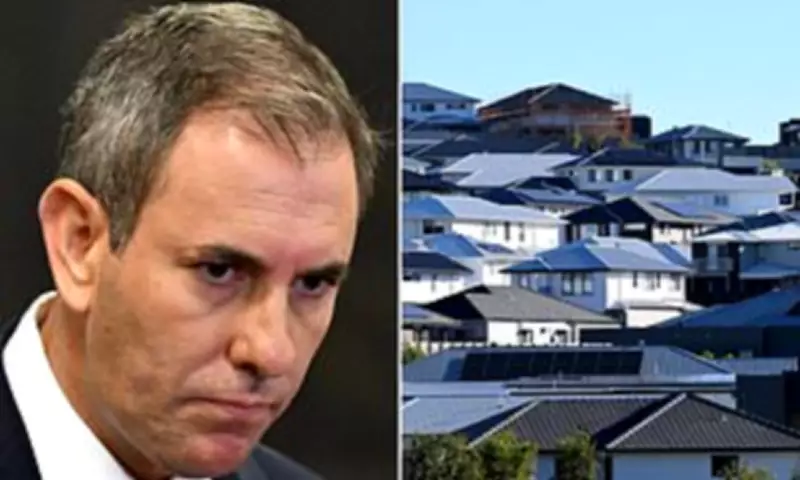
Australian workers have experienced a significant setback as real wage growth turned negative for the first time in more than two years, with inflation outpacing pay increases and raising the spectre of further interest rate hikes. The latest data from the Australian Bureau of Statistics reveals a concerning economic trend that could impact household budgets across the nation.
Wage Growth Fails to Match Inflation
Seasonally adjusted wages rose by 3.4 percent for the year ending December, according to figures released on Wednesday. While this represents a slight increase from the previous 3.3 percent and aligns with market forecasts, it falls significantly short of the 3.8 percent annual inflation rate recorded through December. This marks the first instance since September 2023 that wage growth has not kept pace with rising consumer prices.
The quarterly data shows wages increased by 0.8 percent during the final three months of the year, matching the growth rate observed in the September quarter. However, this modest improvement has been completely overshadowed by persistent inflationary pressures that continue to erode purchasing power.

Government Response and Opposition Criticism
Treasurer Jim Chalmers struck an optimistic tone despite the concerning figures, noting that "annual real wages fell 0.2 percent through the year to the December quarter." He emphasized that "this is the longest streak of wages growth above three percent in more than a decade and a half" while acknowledging that "inflation is higher than we would like, partly due to temporary factors."
Shadow treasurer Tim Wilson offered a starkly different assessment, telling reporters in Adelaide that "the treasurer is engaging in a form of demand denial about his responsibility to drive inflation exceeding wages." He criticized the government's track record on inflation management, stating bluntly that "the economy had turned the corner. It clearly has not."
Reserve Bank Under Pressure to Act
EY senior economist Paula Gadsby warned that the growing disparity between wage growth and inflation "could put more pressure on the Reserve Bank to lift interest rates." She noted that while "the wage price index has trended down from its peak of 4.3 percent at the end of 2023, broader measures of labour costs paid by employers continue to increase at unsustainable levels."
Gadsby anticipates that "the Reserve Bank will increase interest rates further, most likely in the first half of this year, to combat rising inflation and turn around the fall in real wages." This prediction follows the RBA's recent decision on February 3 to lift the cash rate by 0.25 percentage points to 3.85 percent under governor Michele Bullock's leadership.
Sector-Specific Wage Variations
The bureau's head of price statistics, Michelle Marquardt, highlighted significant differences between public and private sector wage growth. Public sector pay packets received a four percent boost through the year to December, compared to just 3.4 percent for private sector workers.
Health care and social assistance industries emerged as the main contributors to wage growth during the quarter, coinciding with pay rises for aged care workers that took effect from October. These increases represent the final stage of wage adjustments following a Health Services Union case lodged with the Fair Work Commission in late 2022.
Childcare workers also benefited from wage increases, receiving a five percent boost in December following a ten percent rise in 2024. These sector-specific gains, however, have not been sufficient to offset broader inflationary pressures affecting the entire economy.
Economic Outlook and Labour Market Factors
Oxford Economics Australia head of economic research Harry Murphy Cruise cautioned that "wage growth was likely to remain solid due to a tight labour market." He explained the potential consequences: "If capacity constraints persist and employers are simply paying more for the same level of output, stronger wages will translate into higher unit labour costs, prolonging inflation pressures and keeping interest rates higher for longer."

The Reserve Bank has recently reaffirmed its commitment to doing "what is necessary" to lower inflation, signaling its willingness to implement further monetary policy tightening if required. With the cash rate having increased significantly in recent years—though still remaining well below the record highs of the 1990s—Australian homeowners and businesses face continued uncertainty about the economic trajectory.
As policymakers grapple with balancing wage growth against inflationary pressures, Australian households confront the reality of diminished purchasing power and the prospect of additional interest rate increases that could further strain household budgets in the coming months.