
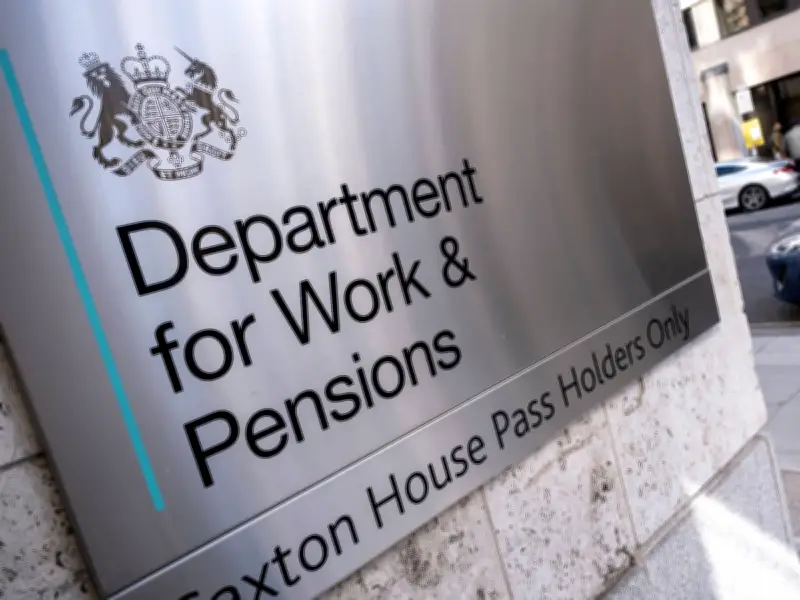
Official figures published last week showed a seismic change in the UK's retirement landscape, with more pensioners now having to cope without the guaranteed income that previous generations enjoyed. The Department for Work and Pensions (DWP) found that the proportion of people receiving a lump sum or other defined contribution product when first accessing a private pension rose from 37% (280,000) in the 2016/17 financial year to 49% (410,000) in the 2025/26 financial year.
What the shift means
Samuel Mather-Holgate, managing director and independent financial adviser at Mather and Murray Financial, explained the change in plain English. "Essentially, we are now transitioning from the gilt-edged 'Defined Benefit' pensions of old where income was guaranteed until death to pensions based on 'Defined Contributions', where a pot will last as long as it can and is at the mercy of markets. And it's a shift that is accelerating."
With a defined benefit (DB) pension, the employer effectively guarantees the income a person will receive in retirement. With a defined contribution (DC) pension, the income generated depends on the size of the pot, market performance and fund fees. In short, the pensioner is vulnerable to how much they have saved and what markets do — rather than the employer.
A generation switched to a savings account
Mather-Holgate warned that DB pensions offer a security that most private sector workers will soon no longer enjoy. "People with DB pensions, whether final salary or career-average, such as the NHS CARE scheme, have a security in retirement that most private sector workers will soon no longer enjoy. A generation of workers has effectively been switched from a retirement promise to a retirement savings account, often without fully understanding the difference. And this is the point at which a person's failure to invest appropriately for their retirement comes home to roost as the State pension will prove woefully inadequate for most."
He said the UK was now entering the age of 'pension inadequacy', where responsibility and risk had shifted from employers to individuals, many of whom simply had not saved enough for the retirement they might have wanted.
Why auto-enrolment is not enough
While accepting that auto-enrolment (AE) had been a major step forward, with millions now saving into pensions and receiving employer contributions, Mather-Holgate said the minimum contributions many make through AE would simply not be enough to fund a retirement that could last for 30 or even 40 years. "AE should be the starting point, not the whole retirement plan but, due to a lack of education around pensions, that is what it has become."
Advice for savers
He urged people to put as much as they could into their workplace pension to get the maximum benefit from employer contributions. "Failing to maximise matching contributions is effectively turning down part of your pay." He also recommended reviewing pensions regularly, particularly after changing jobs, receiving a pay rise, divorcing, inheriting money or approaching retirement.
The bottom line
Ultimately, Mather-Holgate warned: "Britain, as the latest DWP figures reveal, is now formally moving from guaranteed retirement incomes to incomes based on personal responsibility, but too many people have not adjusted their savings accordingly. Yes, we're in a cost of living crisis and finding any money spare at the end of the month is challenging but people need to have one eye on the future and save as much as they possibly can. As people's retirement incomes become dependent on what they have invested, literally every penny invested into a pension counts."




