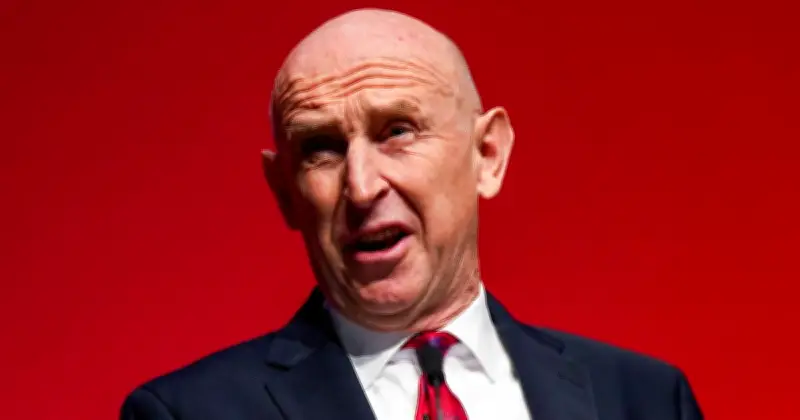
Pension savers should not assume they will always be able to withdraw 25% of their retirement fund tax-free, a financial adviser has warned. It comes as Chancellor John Healey prepares to deliver his first Budget on October 28.
Samuel Mather-Holgate, managing director and IFA at Swindon-based Mather and Murray Financial, believes pension tax-free cash is becoming an increasingly tempting target for a government facing competing demands for money. Most people can currently take up to 25% of their pension tax-free, subject to a standard lump sum allowance of £268,275. Some savers with protected rights may be entitled to more.
There is no confirmed proposal to abolish the entitlement, but Samuel said savers should not consider it politically untouchable.
Government spending pressures
He said: “The Government has a long spending list. It wants to establish a National Care Service, while defence spending is under growing pressure. That does not mean abolition is confirmed or necessarily imminent, but pension savers should not assume the 25% tax-free lump sum can never be changed.”
The Institute for Fiscal Studies has previously examined reducing the maximum tax-free amount to £100,000. It argues that the existing relief is poorly targeted because it provides greater benefits to some wealthier savers and no advantage on income that would otherwise fall within the personal allowance.
Samuel accepted that the current system is not perfectly progressive, but believes abruptly removing a longstanding entitlement would be deeply unfair.
Impact on retirement planning
He said: “People have saved under one set of rules for 20, 30 or 40 years. Many have planned to use their tax-free cash to repay a mortgage, supplement their retirement income, meet care costs or fund the transition from work. Taking it away as they approach retirement would feel like moving the goalposts after the match had started.”
The IFS has said restricting the tax-free element could raise meaningful sums for the Treasury. Meanwhile, the Government estimates that its separate reform of the state pension triple lock could reduce spending by £15bn annually by the end of the 2030s, with the savings supporting a National Care Service.
Defence represents another pressure. The Office for Budget Responsibility previously estimated that increasing defence expenditure to 3% of GDP would be equivalent to an additional £17.3bn in 2029–30.
Careful reform urged
Samuel said careful reform would be more defensible than outright abolition. Options could include reducing the maximum allowance, preserving the existing rules for money already saved or giving people substantial notice before changes take effect.
He said: “The answer to an imperfect relief is careful reform, not a blunt raid. The more abruptly the rules change, the more damage it does to trust in pension saving.”
However, savers have also been warned against withdrawing money simply because they fear a future Budget announcement. Taking tax-free cash without a clear purpose could leave it sitting in an ordinary account, where future interest or investment returns may be taxable. It would also remove money from the pension environment and could reduce its opportunity for long-term growth.
Samuel said: “People should not panic, but they should review their retirement plans now. Understand your entitlement, how the tax-free cash fits into your income strategy and what you would do if the rules changed.
“The worst response is making a rushed withdrawal based on rumours. The second worst is doing nothing and assuming the rules can never change.”
He added: “Tax-free cash is not merely a perk for the wealthy. For many households, it is the bridge between working life and retirement. If ministers want to rewrite that bargain, they must be honest, give people time and protect those who planned responsibly under the rules Parliament created.”