Pension savers could face an extra £335 a year in contributions if the minimum auto-enrolment rate rises from 8 per cent to 12 per cent, a change MPs have discussed with retirement experts to help people "providing for themselves in retirement".
Under current rules, employees earning above a certain amount are automatically enrolled into a workplace pension, with a minimum of 8 per cent of qualifying earnings paid into the pot. This is typically made up of a 5 per cent contribution from the worker's pay packet and a 3 per cent contribution from the employer.
Concerns about people not saving enough for retirement have prompted suggestions to raise the minimum required contribution. MPs asked a panel of experts about moving from 8 per cent to 12 per cent during a session with the Work and Pensions Committee.
Experts weigh in on higher contributions
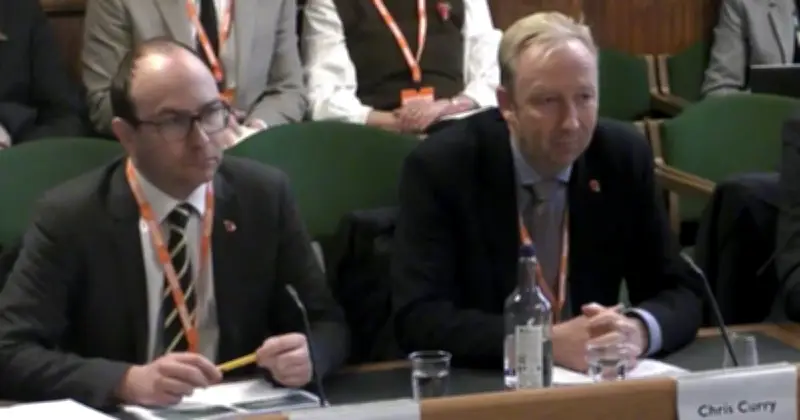
Jonathan Cribb, deputy director at the Institute for Fiscal Studies, said moving to 12 per cent would be "sensible". Chris Curry, director of the Pensions Policy Institute, agreed there "certainly is a case for higher contributions", but said whether 12 per cent is the right level "depends on individual circumstances".
Both raised concerns about how the change would work and whether people could realistically afford the extra amount. Mr Cribb warned: "I would be much more supportive of 12 per cent on qualifying earnings, so that is on earnings above about £6,000, than of 12 per cent on all earnings, because of the disproportionate impact of reducing the qualifying earnings lower limit down to zero on the living standards today of low earners."
Under auto-enrolment, contributions are only paid on earnings above £6,240 a year, and contributions only start once income reaches £10,000.
Impact on average earners
Mr Curry also questioned whether low earners could afford the increase: "I think the real challenge is, the real crux of automatic enrolment is low earners. We know that some people will benefit and will be able to afford 12 per cent contributions and some will not."
He added: "We have to make a view as to whether we want an inclusive system, which includes people who will benefit at the risk of some people who will end up, if I can term it that way, oversaving, or do we have an exclusive system that protects those people from oversaving, but brings in or means that people who might benefit from automatic enrolment do not get the employer contributions."
The panel suggested a 12 per cent minimum could be structured as a 6 per cent employee contribution plus 6 per cent from the employer. For someone on the average UK wage of £40,000 a year, the standard 5 per cent contribution on income above £6,240 would mean paying around £1,690 a year. Under a 12 per cent system with a 6 per cent employee contribution, that would rise to £2,025 a year, an extra £335, or around £28 a month.
Legislation already passed
In 2023, the Government passed legislation to expand auto-enrolment, although it has not yet been put into effect. The changes include reducing the minimum age to 18 from 22 and scrapping the £6,240 earnings threshold so contributions are paid from the first £1 of income.
If these changes were implemented, an employee's contributions would increase by an extra £312 a year under the current 5 per cent minimum, or £374.40 under a 6 per cent minimum.
The panel was also asked how much advance warning the pension industry would need for any changes. Mr Curry suggested: "If you go back to the successful implementation of automatic enrolment and when it started to go ahead, we are talking about a minimum of five, probably up to 10 years."
He added: "When it was introduced, it was introduced for larger employers first, at very low contribution levels, then the rest of the employers, and then slowly over time it increased over another two to three-year period, but that was set out a long time in advance and I think that is really important."