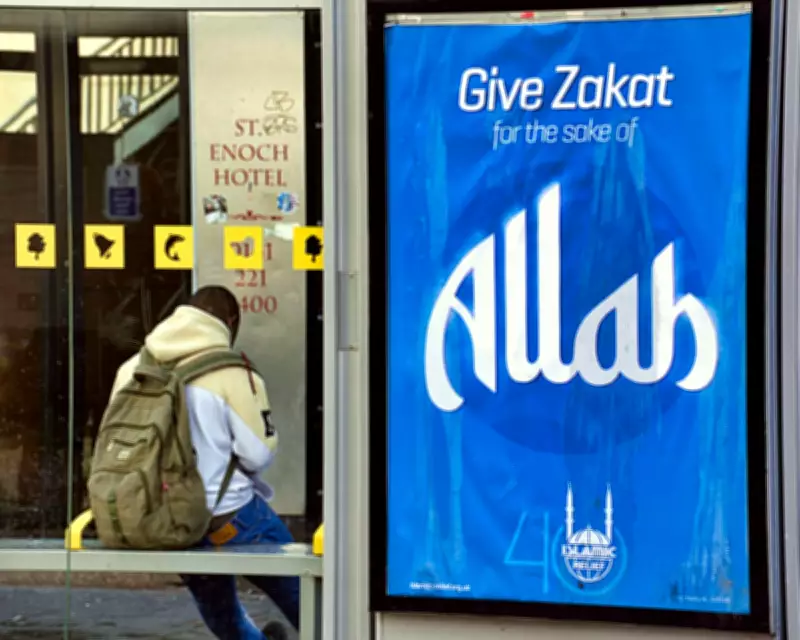
Muslim Charities Report Systematic Exclusion from UK Banking Services
Experts have raised urgent concerns that Muslim-led charities in the United Kingdom are facing widespread exclusion from the banking system, a situation that severely hampers their ability to conduct humanitarian and community work. This issue, often attributed to de-risking practices by financial institutions, is creating significant barriers for organisations dedicated to supporting vulnerable populations both domestically and internationally.
De-Risking Practices Blamed for Financial Marginalisation
According to specialists in charity finance and Islamic philanthropy, banks are increasingly closing accounts or denying services to Muslim charities due to perceived risks associated with money laundering and terrorism financing. This trend, known as de-risking, involves financial institutions terminating or restricting business relationships to avoid regulatory penalties, rather than managing risks proportionately. For Muslim charities, this often results in unjustified scrutiny and operational disruptions, even when they comply fully with legal requirements.
The exclusion manifests in various ways, including sudden account closures, prolonged delays in processing transactions, and excessive due diligence demands that go beyond standard compliance measures. Many charities report that these actions occur without clear explanations, leaving them struggling to maintain essential services such as disaster relief, educational programs, and healthcare initiatives.

Impact on Humanitarian and Community Efforts
The consequences of this banking exclusion are profound, affecting both UK-based projects and international aid efforts. Charities find themselves unable to transfer funds efficiently, pay staff, or purchase necessary supplies, which undermines their missions and erodes public trust. In some cases, organisations have been forced to suspend operations entirely, depriving communities of critical support during crises like natural disasters or conflicts.
Experts emphasise that this issue not only violates principles of financial inclusion but also perpetuates harmful stereotypes, unfairly associating Muslim charities with illicit activities. They argue that a more nuanced approach is needed, one that balances security concerns with the legitimate needs of charitable organisations serving diverse populations.
Calls for Regulatory and Industry Reforms
In response to these challenges, advocates are calling for coordinated action from regulators, banks, and policymakers to address the systemic biases in the banking sector. Proposed solutions include:
- Developing clearer guidelines for banks to assess charity accounts fairly, reducing arbitrary decisions.
- Enhancing dialogue between financial institutions and Muslim charity representatives to build mutual understanding.
- Implementing training programs for bank staff on Islamic finance and charity operations to combat misconceptions.
- Strengthening oversight mechanisms to ensure that de-risking does not disproportionately target specific groups.
Without such reforms, experts warn that the exclusion of Muslim charities could worsen, potentially leading to a humanitarian gap in services and further marginalising already vulnerable communities. They stress that ensuring equitable access to banking is not only a matter of economic justice but also essential for upholding the UK's commitment to diversity and social cohesion.