Half of active savers without a Power of Attorney (PoA) hold at least £100,000 in cash, yet many have not spoken to the person they would want to manage their financial affairs if they could no longer do so, new research from Paragon Bank has found.
The research, conducted among 5,291 savers without a PoA, found that 50% have cash savings of £100,000 or more. This includes 25% holding between £100,000 and £249,999 and a further 26% with at least £250,000. A further 16% hold between £50,000 and £99,999.
Many have not asked their chosen attorney
More than three quarters, 77%, know who they would want to manage their financial affairs if necessary. However, among those with someone in mind, 52% have not yet asked whether that person would be willing to act as their attorney.
Andrew Wright, Head of Savings at Paragon Bank, said: “These findings show that significant sums of money could be involved when families need to step in and help manage a loved one’s financial affairs. It is encouraging that most savers already know who they would trust, but choosing someone privately is only the beginning. They need to know they have been considered and be willing to take on the responsibility.
“The findings show how easy it is to put these conversations off, either because people do not think they need a PoA yet or simply have not got round to arranging one. Waiting for a health scare or a change in circumstances can make an already difficult situation more complicated. Starting the conversation early gives the person you have chosen time to understand the role and allows you to explain clearly how you would want your finances handled.”
Martin Lewis: LPA is a practical necessity
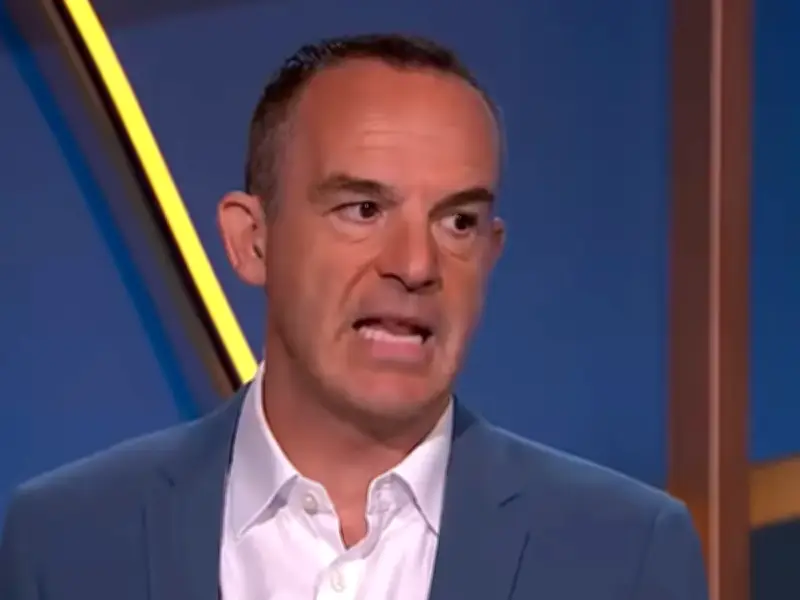
During his BBC podcast, Mr Lewis highlighted that securing Power of Attorney was crucial. A lasting power of attorney (LPA) is a legal document that enables you, the ‘donor’, to designate one or more people, termed ‘attorneys’, to help you make decisions or to act on your behalf.
Mr Lewis said: “Wills are really important, but in my view, a power of attorney is even more so, which is why it’s worrying that far fewer people have them. Best is to have both. But when you’re dead, you’re dead, it’s just a question of where your assets go.
“So look, the point of this is if you lose mental capacity, don’t assume relatives can access your bank, your insurance, and a whole host of other things.
“And that can literally mean the money you need to pay for your care is locked away and inaccessible. The money that is needed to pay for your mortgage is locked away and inaccessible. Someone else is going to have to find the cash in the meantime.
“That is why I say this is more important than a will because that is a proper practical problem. So consider if you were to lose mental capacity, who would look after you? Who would you want to be able to access your funds to pay for things? Who would you trust? And who would ensure that the money is working for you? That your savings are in the right place, your investments are in the right place.
“And losing faculties doesn’t just happen to the elderly. Some people have severe strokes, they have accidents, they have early dementia. I’ve had a power of attorney in place since my 30s.”
Costs and next steps
The findings point to a gap between recognising the importance of a PoA and putting formal arrangements in place. More than nine in ten respondents, 91%, were confident that they could explain what a PoA is used for, while 69% considered having one important.
He confirmed that the registration fee stands at £92 in England and Wales, £96 in Scotland, and £180 in Northern Ireland. He also noted that those on a very low income or in receipt of certain means-tested benefits may be eligible for a reduction in costs.
He stated: "If you're not sure about this, right, pay for help, especially if your affairs are complex or you've got substantial assets. It's not cheap. Solicitor £400 to £750."
There are two types of LPA. A health and welfare lasting power of attorney gives an attorney the power to make decisions about things like your daily routine, for example washing, dressing, eating, medical care, moving into a care home, and life-sustaining treatment. A property and financial affairs lasting power of attorney gives an attorney the power to make decisions about money and property for you, for example managing a bank or building society account, paying bills, collecting benefits or a pension, and selling your home.