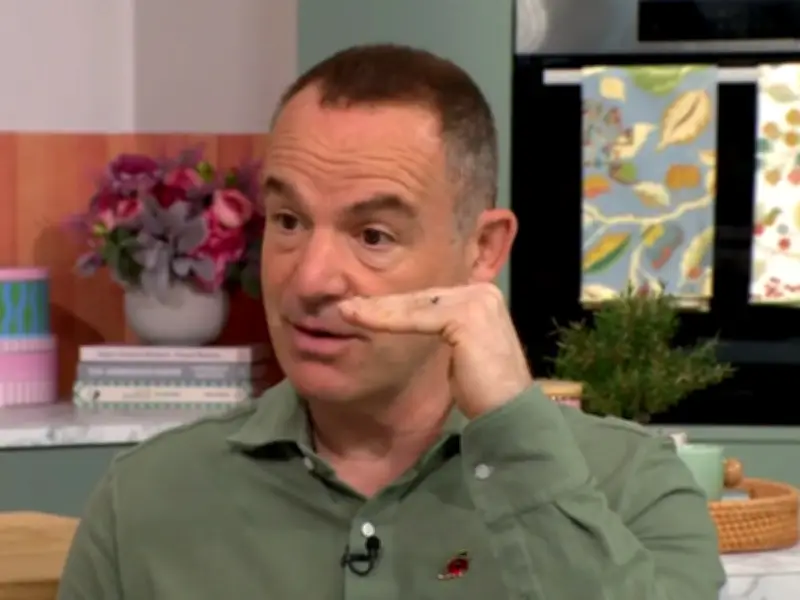
Martin Lewis has explained the key changes for first-time buyers announced in the Autumn Budget. The MoneySavingExpert founder appeared on This Morning today (November 3) to discuss the new rules delivered by Andy Burnham's government that will affect anyone saving for their first home.
Martin explained that there are changes being made to the Lifetime ISA, as well as a new First-Time Buyer ISA set to be launched in April 2029. During Martin's 'Budget Breakdown' segment on the ITV programme, he spoke about the Lifetime ISA, a savings account designed to help people save for their first home or for retirement.
Changes to the Lifetime ISA penalty
You can save up to £4,000 per tax year, and the government adds a 25 per cent bonus on top worth up to £1,000 a year. Previously, if you used your Lifetime ISA to buy a property costing more than £450,000, you faced a 25 per cent withdrawal penalty. However, Martin had campaigned for this to be changed.
Speaking to hosts Ben Shephard and Cat Deeley, Martin explained: "If you are buying a property that costs more than £450,000, and you want to take your money out, there's a 25 per cent penalty."
"Many young people aged 18 to 39 in the south east of England especially, put money in a Lifetime ISA for a deposit on their first home, but the £450,000 hasn't gone up, yet house prices have, so they are being priced out of the market, and then they have to pay a fine for taking the money out."
New First-Time Buyer ISA from 2029
Martin then revealed that an important new rule change had been announced in the Budget. From October 29, 2026, the withdrawal penalty was reduced to 20 per cent for those buying a home above the £450,000 limit. This means that you get your original savings back and keep the interest earned on your savings, however you will still lose the government bonus.
Martin added: "If you are aged 18 to 39, I want you to put a pound in a Lifetime ISA even if you own a home. To get the bonus on buying a home, it needs to be open for a year, so if you do want to use it in a year's time then it's open."
The money-saving expert then spoke about the new First-Time Buyer ISA. His main message was that the government is introducing a new way to help people save for their first home, with a 25 per cent bonus, and that it is designed to improve on the old Help to Buy ISA and Lifetime ISA.
"The advantage of a Help to Buy ISA over the Lifetime ISA is that there is no penalty. So you can save and get interest. You only get the bonus if you are buying a first-time buyer property," Martin explained.
"From April 2029, you are going to be able to convert it into the new First-Time Buyer ISA. This is a bit like the Lifetime ISA but without the retirement savings. In this ISA, you put money in and get interest on it, and then you get the bonus when you buy the house."
"If you've got a Help to Buy ISA, you will be able to move it into a First-Time Buyer ISA. If you've got a Lifetime ISA, you will not be able to move it into the First-Time Buyer ISA but you will be able to get the bonus both in a Lifetime ISA and a First-Time Buyer ISA when you buy a house."
"You can get the bonus on both, but you won't be able to contribute to both in the same tax year. So you can save in a Lifetime ISA now and then open a Help to Buy ISA in 2029, and all those bonuses will still be applicable when you buy a house. So you are not losing out by putting money in a Lifetime ISA now once the First-Time Buyer ISA comes in."