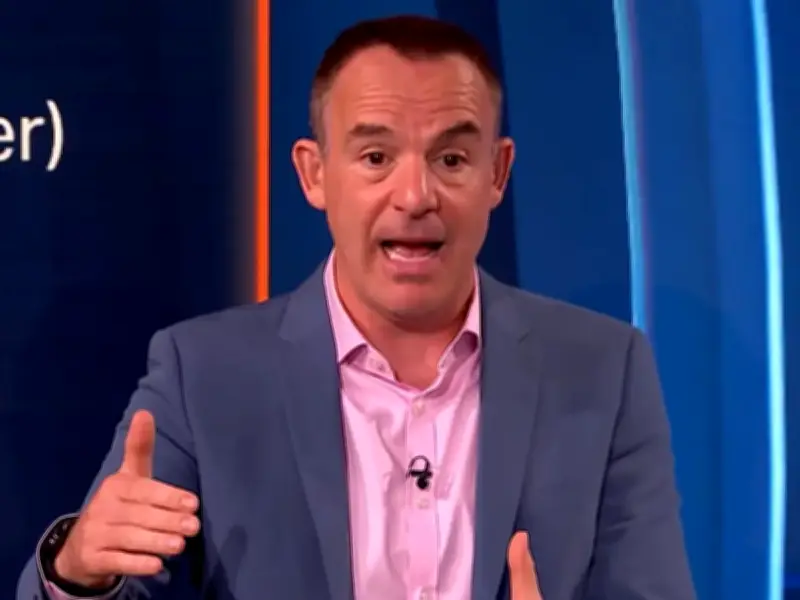
Martin Lewis has clarified how savers can "double up" on a £1,000 bonus offer, explaining the rules for two specific savings accounts after many people asked about it. The financial expert shared a clip on X from his ITV show comparing the Lifetime ISA with the soon-to-be-released First Time Buyer ISA.
The Lifetime ISA helps people save for their first home or later life, offering up to £1,000 in bonus cash each year depending on deposits. The First Time Buyer ISA is set to eventually replace the Lifetime ISA and also offers up to £1,000 a year in Government bonuses.
Surprising rule explained
Speaking to his ITV audience, Mr Lewis said: "The rules surprisingly say you can have both [accounts], and you can get the first-time buyer bonus on both. So you could actually double up."
Having posted the explainer video, Mr Lewis felt the need to spell out precisely what he meant. He said in a follow-up tweet below the original X post: "I've spotted many asking this, so want to be clear. While you can have both and get the bonus on both you won't be able to contribute to both in the same tax year so it's a maximum bonus effectively of £1,000 a year."
The key advantage of ISAs is that any interest earnings or investment growth within these accounts is entirely tax-free.
What is the Lifetime ISA?
These are the key rules to understand for the Lifetime ISA, which you can open now:
- You have to be aged 18 to 39 to open a Lifetime ISA and you can only pay into the account up to the age of 50
- You can pay in up to £4,000 a year - out of your £20,000 ISA allowance - and you get a 25 per cent bonus from the Government on any deposits, so you'll get £1,000 a year if you pay in the full amount. The bonus is paid at the end of the month that you make any deposits
- The maximum in bonuses you can get is £32,000 - if you opened the account aged 18 and paid in the maximum £4,000 each year up to the age of 50
- You need to have the account open for a year before you can access the funds
- You can only pay into one Lifetime ISA during a given tax year. You can transfer your Lifetime ISA to another Lifetime ISA account, but you have to pay the penalty if transferring the funds into another type of ISA
- The funds must be used to purchase your first home, worth up to £450,000, or you can access the funds when you turn 60. Otherwise there is a 25 per cent penalty to pay on any withdrawals. However, it was announced in the Autumn Budget that a lower withdrawal penalty of 20 per cent will apply when using the funds to buy a home worth more than £450,000
How will the First Time Buyer ISA work?
The full details of how this new product will work have yet to be announced. But the Government did share some more details alongside the Autumn Budget.
This is what we know so far:
- The new product will launch from April 2029
- It will only be available to go towards buying a first home
- Similar to the Lifetime ISA, you will be able to pay in up to £4,000 a year and get a 25 per cent bonus on your deposits
- The total bonus you can get will be capped at £20,000 and will be calculated based on the final account balance, so you will get the bonus when you access the funds to buy your home
- You will only be able to hold one First Time Buyer ISA at a time
- You can transfer a Help to Buy ISA into a First Time Buyer ISA between April 6, 2029 and December 1, 2030. You cannot transfer from a Lifetime ISA into a First Time Buyer ISA, but you can use funds from both towards the same purchase
- You can transfer from other ISAs into a First Time Buyer ISA towards the £4,000 yearly limit, and make transfers out up the account of any amount
- You can only use the funds to buy a property worth up to £450,000
Martin Lewis £1 rule
Speaking on his ITV show, Mr Lewis shared a practical tip if you're thinking of opening a Lifetime ISA. He said: "Worth noting on this one: it must be open for a year before you can get the bonus. My rule for any 18-to-39-year-old who does not have a Lifetime ISA: put £1 in. If you're a first-time buyer, it means the clock is ticking."
But he said that even if you don't think you'll use the funds to buy your first home, it may be worth opening an account anyway. Mr Lewis explained: "Unlike the First Time Buyer ISA, on the Lifetime ISA, you can use it for retirement savings. And whilst for most people it's not as good as a pension you don't know your future status."
He said given this uncertainty, you may as well give yourself the option to have a Lifetime ISA available, in case it becomes a more attractive saving option in future. Mr Lewis said: "I'm not saying put any more in, I'm saying put a quid in so that you've got one of these."