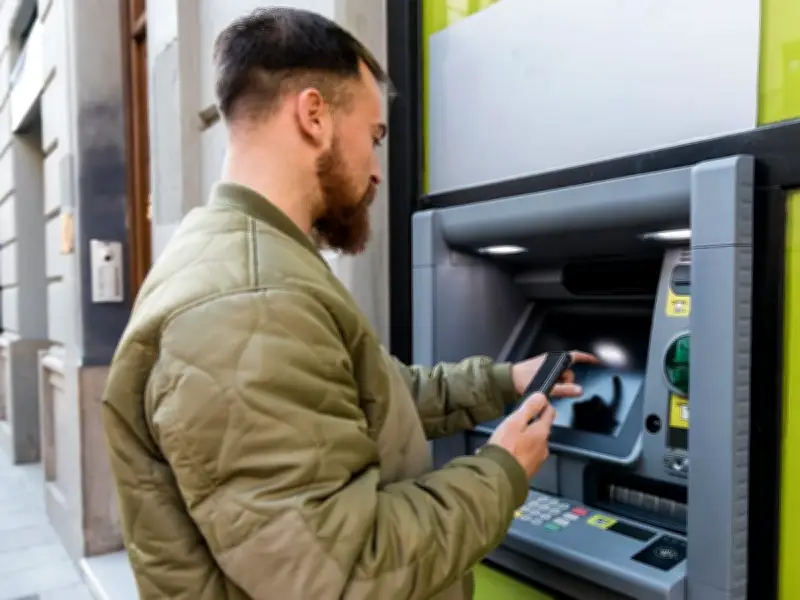
HMRC has withdrawn £2,300 directly from a taxpayer's bank account using reinstated direct deduction powers, and the government has pledged additional funding to intensify the crackdown.
The powers were reinstated under former Chancellor Rachel Reeves and have been taken on by her successor. At this week's Budget, further funding was pledged to HMRC tax officers to step up enforcement.
Taxpayer challenges deduction
Simon Evans, a 70-year-old tax lawyer, received a letter from HMRC informing him it had withdrawn £2,300 to recover unpaid tax. "There wasn't a dispute, we'd never heard from HMRC nor had our accountant who has handled our taxes for many years," Evans said.
Evans, who serves as director of a wealth management firm where he has been employed since 2002, challenged the powers together with his wife.
"It turns out that HMRC had sent letters to an old address in London that we haven't lived at in years," Evans told the Times newspaper. "This is despite the fact that all of our Companies House and tax returns are up to date with our correct address and our accountant's address. We're regular payers of tax, so it was odd that they took such aggressive action when we had no record of ever being in default."
Debt collection expansion
For small outstanding debt, HMRC estimates that approximately 4.8 million individuals and businesses hold debts below £10,000, amounting to roughly £4bn. This works out at an average debt of £950 per individual customer.
Currently, HMRC can withdraw money directly from the accounts of debtors who owe more than £1,000 in tax, as long as they have at least £5,000 left after the debt is collected. The government is committing an additional £70m over the next five years to expand HMRC's partnerships with private sector debt collection agencies.
The full Budget disclosed that HMRC will also receive further funding to recruit an additional 670 compliance officers by 2029-30.