A global sell-off in government bonds has intensified pressure on UK borrowing costs ahead of next month's budget, with the yield on 10-year gilts reaching 5.38% by mid-morning on Thursday, approaching the 19-year high set last week.
Impact on fiscal headroom
Higher interest rates raise the upfront cost of government investment and feed into Office for Budget Responsibility forecasts on whether the chancellor is on track to meet Labour's fiscal rules. Analysts believe recent yield increases have erased more than half of the £24bn "headroom" that former chancellor Rachel Reeves had built up at the time of the spring statement in March.
Chancellor John Healey has repeatedly promised to meet the rules with a "buffer against uncertainty," but this is widely expected to be significantly lower than £24bn. Rebuilding it to that level would likely require large tax increases or spending cuts, though Treasury sources insist the budget will be "focused," with important spending decisions postponed to a review next year.
Investor concerns and rate warnings
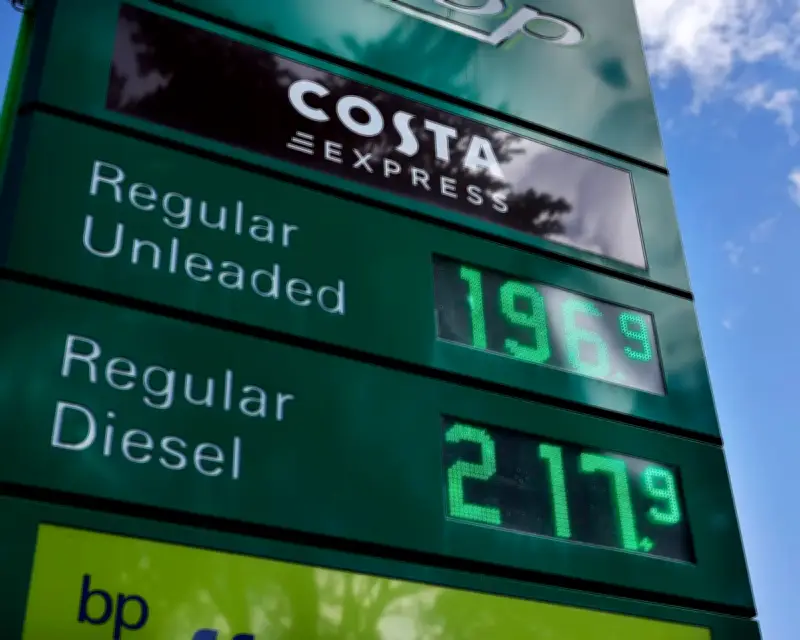
Investors across major markets have been selling bonds in recent weeks, driven by fears of higher inflation and interest rates as the Middle East conflict continues. The Bank of England's chief economist, Clare Lombardelli, warned on Thursday that the longer oil prices remain elevated due to the war, the more likely UK interest rates will have to rise.
"The longer higher energy prices persist, the greater the risk that indirect effects build and that inflation expectations, wage bargaining and price-setting behaviour begin to adjust in response," she told an economic conference in Warsaw, Poland. "On that basis, policy is increasingly likely to need to tighten if elevated energy prices persist, absent clear evidence of disinflation or weaker activity."
Broader market effects
Higher rates would increase mortgage costs for homeowners, at a time when the government has promised consumers a "breathing space" against the rising cost of living. The Bank also expects a 24% rise in the quarterly energy price cap in January if oil prices remain high.
Lombardelli's message echoed that of Bank governor Andrew Bailey, after the monetary policy committee left interest rates on hold at 3.75% last week. She stressed that high oil prices have had less impact on other prices than the Bank had feared, but the longer they remain high, the greater the risk of entrenched inflation.
As the bond sell-off worsened on Thursday, yields on 30-year US Treasury bonds surged to 5.444%, the highest level since 2004. Alongside higher inflation, investors appear concerned about uncontrolled US government spending, and some analysts suggest large-scale bond issuance by AI firms is undermining demand for Treasuries.