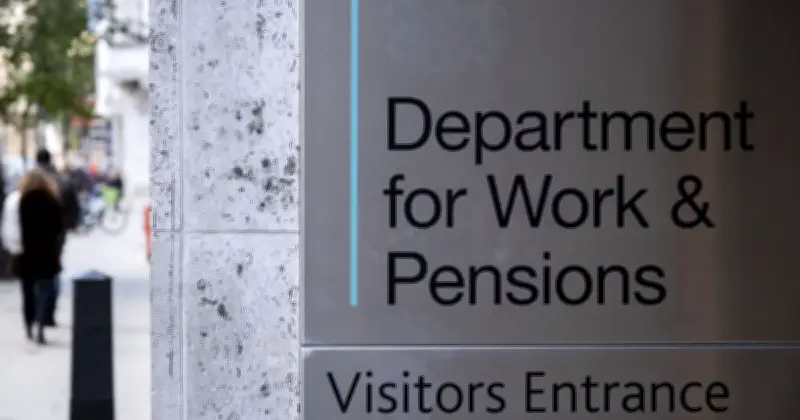
Around 17 million private-sector workers saving into a pension will be given the option to receive a "secure" income in retirement under Government plans for default pensions, launched today. The move, announced on Tuesday (November 3) by the Department for Work and Pensions (DWP), aims to "close the gap" between pension benefits provided to private-sector workers and those offered to public-sector workers.
Over the last 30 years, the vast majority of private-sector Defined Benefit (DB) pension schemes that once provided an inflation-protected income for life in retirement have closed. The introduction of automatic enrolment means nine in 10 eligible private sector workers are now saving, up from four in 10 in 2012. But the vast majority are saving into Defined Contribution (DC) pensions and are left entering retirement with a savings pot rather than a route to a genuine pension that provides a secure income that lasts throughout their later life.
Government plan to restore genuine pensions
The Government is now acting to restore the option of "genuine" pensions for all private-sector workers. Through a new initiative called Guided Retirement, currently under consultation, pensions that ensure a reliable income and often include inflation protection will be reinstated. This aims to simplify retirement planning and remove the need for complex financial decisions.
Minister for Pensions Torsten Bell said: "Private sector workers deserve a much better deal when it comes to pensions. They are doing the right thing and saving for retirement, but when they get there, too many are left without a genuine pension.
"We are resurrecting proper pensions for private sector workers, guaranteeing them the option of an income that lasts throughout retirement and, in many cases, protection against the rising cost of living - things public sector workers take for granted. We are going to give pensions back to the people who are working hard and saving for their retirement."
Two consultations announced
Speaking at the Association of British Insurers (ABI) Long-Term Savings Conference, Mr Bell announced two consultations: Guided Retirement and Retirement Collective Pension Schemes (RCPS). Published jointly with the Financial Conduct Authority (FCA) and the Pensions Regulator, Guided Retirement will require providers to offer a default pension option for Defined Contribution (DC) savers approaching retirement. This addresses 2025/26 data showing that 46% of first-time pension access was full withdrawals, leaving many at risk of outliving their savings.
Under the proposals, savers will gain a managed, stable lifetime income without having to become overnight investment experts. The consultation on RCPS drafts regulations that allow collective schemes to serve as the default option, pooling risk to deliver long-term stability and growth. The Government will publish its response to the policy consultation on RCPS today, alongside draft regulations to enable providers to offer them as a default pension.
Industry reaction and next steps
Savers who want a different option will always be free to choose. But for those who do not want to navigate complex decisions alone, the DWP says Guided Retirement will ensure they get a "good deal and a reliable income for the whole of their retirement". The consultations will set out how default pensions, including Retirement Collective Pension Schemes, should be designed and delivered, how schemes should support members approaching retirement, and how to keep the framework practical.
Therese Chambers, executive director at the Financial Conduct Authority, said: "People should not have to navigate complex pension decisions alone. Guided retirement will offer a simpler way to turn savings into income, regardless of which workplace pension people have."
TPR executive director of strategy, policy and analysis, Richard Knox, said: "People need more help to turn a pension pot into a sustainable retirement income, and well-designed default options at retirement will help people navigate these complex and important financial decisions. Schemes should engage with DWP's consultation on guided retirement and help make these reforms a success."
The new measures have been described by industry experts as a "major moment" for workplace pension savers. Lauren Branney, head of collective defined contribution (CDC) at Hymans Robertson, said: "Retirement Collective Pension Schemes (RCPS) can deliver a secure income for life in retirement, which our research tells us members welcome."
"While there are trade-offs in relation to flexibility and leaving a legacy, the chance to deliver a higher income in retirement is an opportunity that will work well for many, especially with the retirement income adequacy challenge we see today for DC savers.
"Flexibility and choice are important and will be retained under the new regulations. But by empowering trustees and pension providers to deliver an income from DC as a default, it removes the difficult decision-making burden from savers while retaining choice for those who prefer a different approach."
Kirsty Ross, product and proposition director for People's Pension, added: "Delivering guided retirement successfully ought to strengthen trust in pensions by giving hardworking savers confidence that, when they retire, their workplace pension will provide a reliable and accessible income for life alongside the State Pension, without requiring them to navigate complex financial decisions at retirement that they are ill-prepared for."
Ms Ross pointed out that Guided Retirement should build on the success of automatic enrolment, "carrying the benefits of good scheme design into decumulation". She added: "Clear pathways can help members turn pension savings into sustainable retirement incomes, while allowing those with different needs or preferences to make alternative choices that better suit their circumstances."
Developed by DWP, HMT, FCA and TPR, the Guided Retirement consultation sets out initial proposals for secondary legislation under the Pension Schemes Act 2026. It will run from November 3, 2026 to December 22, 2026.