
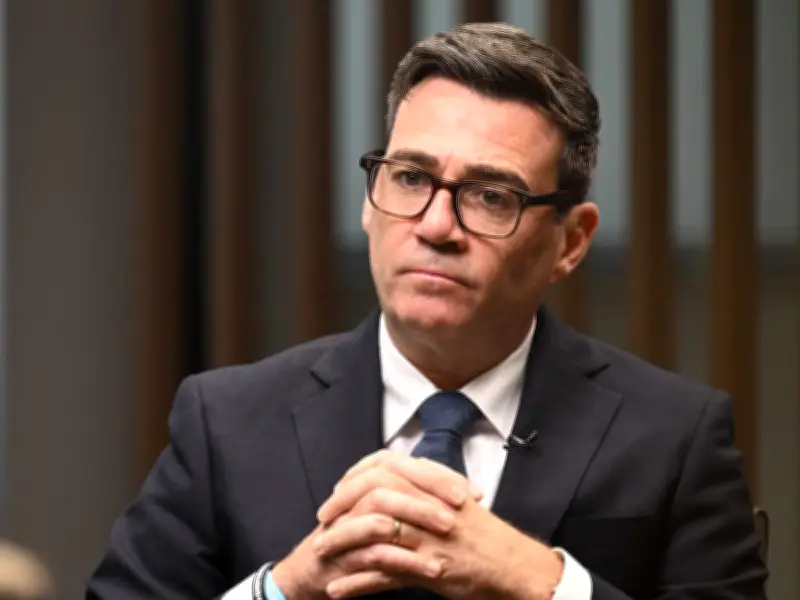
Andy Burnham is rumoured to be considering a new "death tax" to raise billions of pounds for adult social care. While serving as health secretary under Gordon Brown between 2009 and 2010, Mr Burnham supported the idea of replacing Inheritance Tax with a 10% levy on all estates to pay for free social care.
Asked whether he still backs this idea, his official spokesperson said: “I’m just not going to get ahead of his update on this issue, which will come later in the week. And he has said in his interview today that creating a new system will take time. But he’s also been clear about the consequences of not doing it, which is that the NHS would collapse under the weight of having to care for people not really needed in the NHS system.”
Speech on social care expected this week
The new PM is set to deliver a speech on social care this Wednesday but warned in a recent interview with the BBC that he "couldn't put a timeline on it right here, right now". The BBC reports that instead of introducing immediate changes now, the PM could announce that he is speeding up the Casey Commission, an independent review into adult social care.
How Inheritance Tax works currently
Very few families currently end up having to pay Inheritance Tax due to several rules and allowances. In the UK, approximately 31,500 estates incur an Inheritance Tax charge annually. Inheritance Tax is due on estates worth over £325,000, with a standard rate of 40% on the value above this amount.
However, the threshold can be much higher depending on who you leave your estate to. There is no Inheritance Tax to pay when leaving an estate to a spouse or civil partner. If you give away your home to children or grandchildren, you get an additional £175,000 allowance, increasing the threshold to £500,000. Married couples or civil partners can pass on unused allowances, potentially passing on up to £1million without Inheritance Tax.
Your rate of Inheritance Tax on some assets can be reduced from 40% to 36% if you leave at least 10% of the net value to charity in your will. Gifts given seven years before death are generally exempt, unless you still benefit from the asset, such as living in a gifted property without paying market rent.
How a 10% 'death tax' would work
If a 10% levy on estates was introduced, someone with an estate valued at £100,000 would pay £10,000. Inheritance Tax is currently only due on estates worth £325,000, so those with higher-valued estates would pay more under a universal 10% levy. For example, under current rules, an estate valued at £400,000 with no exemptions would pay £30,000, but with a 10% levy, the bill would be £40,000.
Inheritance Tax changes from 2027
More families will be dragged into paying Inheritance Tax from next year when pensions will be included for the first time. Under current rules, inheriting a pension before age 75 is tax-free; after 75, beneficiaries pay Income Tax on withdrawals. From April 2027, inherited pensions will become subject to Inheritance Tax and included in the estate's value. The Government estimates that 10,500 estates will become liable for Inheritance Tax on unused pension funds, while 38,500 estates will pay a higher amount than under previous rules.




