

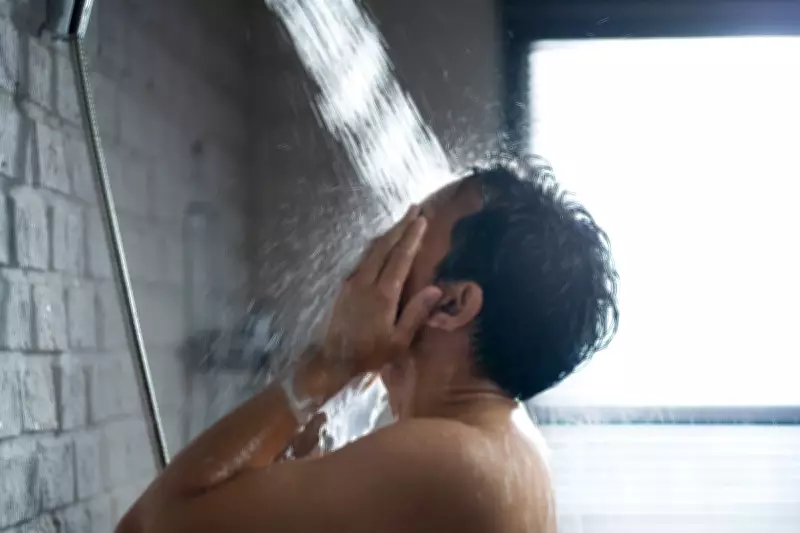
When the weather warms up, many of us reach for a cold shower to cool down. However, this common practice might not be as effective as believed and could even be counterproductive for the body's natural cooling mechanisms.
How the Body Regulates Temperature
The human body maintains an optimal core temperature of around 37°C. When the core gets too hot, the brain's temperature-regulating center sends signals to blood vessels and muscles near the skin to activate cooling mechanisms. Prolonged core temperatures of 39-40°C can lead to organ damage, so the body employs several strategies to dissipate heat.
Approximately 60% of body heat is lost through thermal radiation, while sweating accounts for about 22%. When ambient air temperature exceeds body temperature, sweating becomes the primary cooling method. The remaining heat is lost through convection and conduction.

Blood vessels near the skin dilate to allow more blood flow to the surface, facilitating heat loss. Hairs lie flat to promote air circulation and cooling.
The Problem with Cold Showers
While jumping into a cold shower after being in the heat feels pleasant, it actually hinders core cooling. Cold exposure causes blood vessels near the skin to constrict, reducing blood flow to the surface. This traps heat around internal organs rather than releasing it, essentially tricking the body into conserving heat instead of dissipating it.
For some individuals, sudden exposure to cold water—especially below 15°C—can trigger a cold shock response. This rapid vasoconstriction increases blood pressure and can strain the heart. People with underlying heart conditions, such as coronary artery disease, may face risks of irregular heartbeat or even cardiac events, though such occurrences are rare in home showers.
Hot showers are also inadvisable during heatwaves. Water warmer than body temperature transfers heat into the body, potentially raising core temperature.
Optimal Cooling Strategy
Evidence suggests that a tepid or lukewarm bath or shower at 26-27°C is most effective for cooling down. This temperature encourages blood flow to the skin without triggering heat conservation responses.
Additionally, cold water is less effective at removing sweat, sebum, and bacteria from the skin, which can cause body odour and clog pores, leading to blackheads or acne. Lukewarm water helps dissolve and loosen these substances, ensuring better hygiene.
Practical Tips
- Opt for a lukewarm shower (around 26-27°C) to promote safe and effective cooling.
- If you prefer cooler water, lower the temperature gradually to avoid shocking the body's thermoregulation system.
- Alternatively, slowly immerse limbs one at a time to allow gradual adaptation.
By following these guidelines, you can stay comfortable and safe during hot weather without compromising your body's natural cooling processes.
Adam Taylor is a Professor of Anatomy at Lancaster University. This article is republished from The Conversation under a Creative Commons license.






