UK Households to Save £190 on Energy Bills as Government Cuts Standing Charges
Bill payers across the United Kingdom are poised for significant relief on their energy costs this year, following a government announcement that standing charges will be reduced. From 1 April, energy suppliers are mandated to shift costs for the warm home discount scheme from the standing charge to the electricity unit rate, a move expected to lower the average household's standing charge by approximately £40 annually.
Budget Measures Combine for Substantial Savings
This reduction comes in addition to Chancellor Rachel Reeves's Budget pledge to cut household bills by £150 per year through the scrapping of an energy efficiency programme. Combined, these two initiatives are projected to deliver an average saving of £190 for households. The Department for Energy and Net Zero (DESNZ) has highlighted that some consumers could benefit even more substantially.
In a new report, DESNZ provides the example of a high-usage electric heated household, which could save around £395 on energy bills next year when both changes are implemented. The department emphasised that this shift aligns with the government's manifesto commitment to reduce standing charges, as well as broader efforts to enhance transparency, consumer choice, and fairness in energy pricing.

Understanding Standing Charges and Their Impact
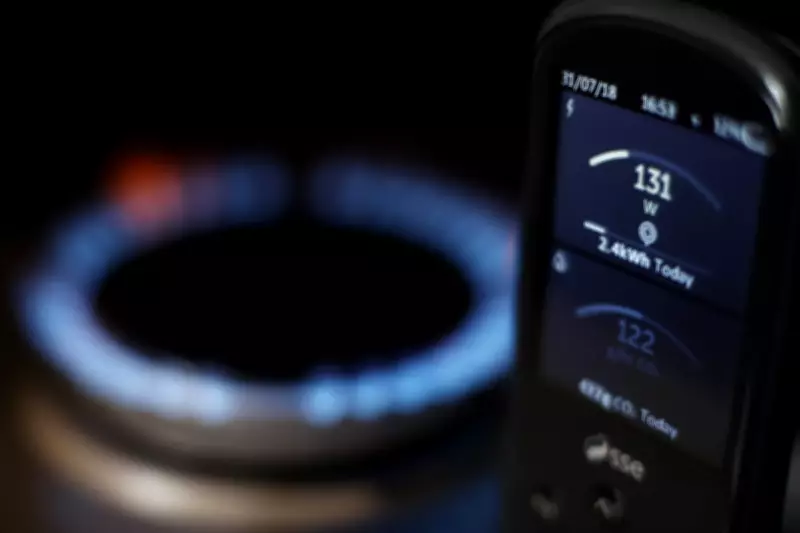
Standing charges on energy bills represent a baseline fee paid to suppliers, regardless of electricity usage. Under the current Ofgem price cap, the average household pays about 55p per day for electricity and 35p for gas, totalling £328 annually. This fixed cost has been a point of contention, particularly for low-energy users.
Money saving expert Martin Lewis reacted positively to the announcement on social media, stating, "It's only a baby step, but it's good to see some movement in the right direction. I think this is a totem of the direction of travel, and having spoken to both Ed Miliband and the Ofgem boss about this, I think they are hearing the mood music about the standing charge."
Lewis further explained, "The standing charge is a moral hazard that disincentivises lower usage and keeps bills high for people who use very little energy. It's the biggest single cause of complaint I get about energy bills, by a mile. Paying £300-plus a year simply for the facility of having energy is too much. It also penalises people, especially older people, who don't use gas in the summer yet still pay for it every day."
Government Focus on Fairness and Cost of Living
Minister for energy consumers Martin McCluskey commented on the policy, saying, "This government is relentlessly focused on the cost of living, which is why we have acted to take an average of £150 of costs off energy bills from April. We are also acting to make our energy system fairer. We know that standing charges are a big concern for many households, especially those on low incomes. That is why we have taken the decision to bring down these fixed costs, creating a fairer system and delivering savings for households who use less energy."
The DESNZ report underscores that this adjustment not only provides immediate financial relief but also supports long-term goals of improving energy affordability and equity. As households prepare for the changes effective from April, the combined measures are expected to alleviate some pressure from rising living costs, marking a proactive step in government energy policy.