UK Prepares Emergency Fuel Plan: Ambulances Prioritized, Speed Limits May Be Cut
UK Fuel Shortage Plan: Ambulances First, Speed Limits Cut

UK Government Readies Contingency Plan for Potential Fuel Shortages

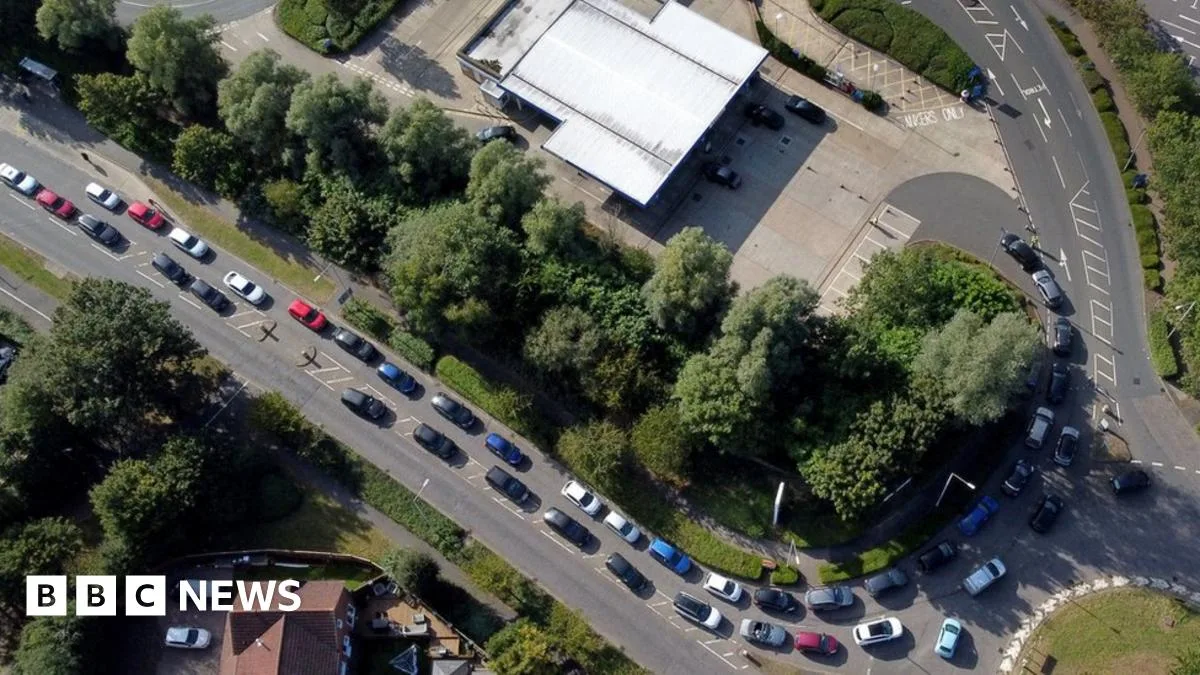
The United Kingdom could soon implement new measures to prevent a fuel shortage and ensure that emergency vehicles receive priority access to petrol and diesel supplies. Downing Street has maintained that petrol stations remain adequately stocked, despite recent images showing numerous garages running low on fuel as people begin stockpiling due to fears of price increases.

Global Disruption Triggers Concerns

The current disruption stems from Iran's blockade of the Strait of Hormuz, a critical maritime route through which approximately one-fifth of the world's oil passes. As Labour leader Keir Starmer met with industry leaders to assess the situation, government officials confirmed that preparations are underway for all eventualities should the conflict escalate further.

Priority Access for Essential Services

Under the proposed contingency plan, certain sectors and vehicles would receive priority over others to ensure that daily essential operations can continue. Emergency vehicles such as ambulances and police cars would be given precedence over individuals who can work from home. Additionally, supplies could be restricted to specific times of day, and oil companies may be directed to prioritize deliveries to critical sectors.

Wide Pickt banner — collaborative shopping lists app for Telegram, phone mockup with grocery list

Conservation Measures to Reduce Consumption

To cut overall fuel consumption, speed limits could be reduced across the UK—a measure previously recommended by the International Energy Agency. This would result in less fuel being burned, thereby decreasing the frequency of refueling needs. Experts have suggested several relatively simple steps to ease pressure on supplies if required:

  • Encouraging people to work from home
  • Increasing public transport usage
  • Reducing non-essential travel
  • Scaling back some domestic flights

Government Reassurance Amid Growing Concerns

Prime Minister Rishi Sunak has reassured motorists that there is no immediate need to change their behavior, urging drivers to continue as normal despite growing concerns across Europe about potential rationing. However, behind the scenes, experts have warned that supplies—particularly diesel—could come under pressure within weeks if the disruption persists.

Energy analyst Ashley Kelty indicated that the UK could begin to feel the impact as early as late April, describing the outlook as perilous and noting the government's cautious messaging to avoid sparking panic buying. Other analysts have echoed concerns that a squeeze on diesel supplies could materialize within a month, prompting calls for early intervention measures.

Industry Calls for Detailed Planning

Industry figures are urging ministers to outline a detailed plan to reassure businesses and consumers. Logistics and wholesale representatives have warned that any disruption could quickly affect supply chains, demanding that sectors such as food distribution, transport, and manufacturing be given priority access to fuel if shortages emerge.

Manufacturers have also raised concerns about rising energy costs, with some warning that production could be scaled back if supply pressures intensify. The UK already has a national emergency fuel strategy, last updated in 2024, designed to respond to severe shortages. Under this plan, fuel could be rationed for the public while priority is given to essential services, including emergency responders, healthcare, utilities, and public transport.

Existing Tools and International Coordination

While such measures have already been introduced in countries facing more immediate shortages, UK officials maintain that the situation has not yet reached that stage. Ministers have a range of tools available to protect fuel supplies:

Pickt after-article banner — collaborative shopping lists app with family illustration
  1. Emergency oil reserves, which the UK is required to hold, can be released to boost availability, as was done earlier this month in coordination with international partners.
  2. A reserve fleet of fuel tankers can be deployed at short notice to increase distribution capacity.
  3. The Armed Forces could be called upon to assist with deliveries if required.

Collaborative Effort Required

In discussions with senior figures from major firms, including Shell and BP, as well as shipping giant Maersk, the Prime Minister emphasized that managing the problem would require close cooperation. The government cannot do it on its own, he told executives, calling for a joint effort to shield households and businesses from rising fuel and energy costs.

While there is currently no immediate shortage, the situation remains finely balanced. If disruption continues, the UK could soon face difficult decisions regarding the fair distribution of fuel, with critical sectors receiving priority to maintain national stability and essential services.