Trump Administration Scrambles to Tackle Gas Price Crisis Amid Iran Conflict
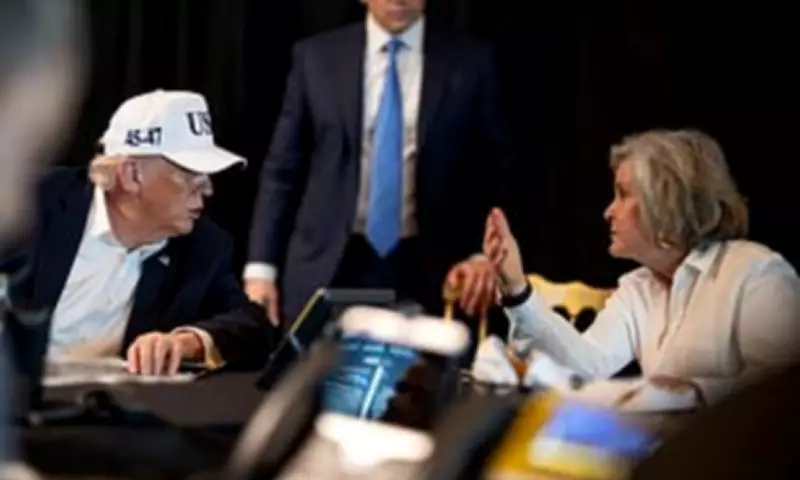
Sources have revealed that Donald Trump's chief of staff, Susie Wiles, is demanding urgent action to bring gas prices down as the war with Iran sends oil prices skyrocketing. The escalating conflict has triggered a sharp increase in energy costs, putting pressure on the White House to respond swiftly.
Pressure Mounts on Energy Officials
Industry executives report that Energy Secretary Chris Wright and other top officials, including a council led by Interior Secretary Doug Burgum, are under intense scrutiny. According to insiders, they are 'getting screamed at to find some good news' as the administration grapples with the economic fallout. The White House is actively exploring every possible avenue to mitigate the impact on consumers.
Proposed Solutions Under Discussion
Energy bosses are engaged in high-level discussions with the Trump administration, considering a range of ideas to address the crisis. Key proposals include:

- A temporary holiday on the federal gasoline tax to provide immediate relief at the pump.
- Deploying military personnel to defend oil infrastructure in Gulf states, ensuring the security of critical supply routes.
One energy executive told Politico that the administration is 'looking under every rock for ideas on improving energy prices, especially gasoline prices.' This underscores the urgency of the situation as officials seek viable short-term solutions.
White House Response and Market Impact
A White House spokesman declined to comment directly, instead referencing press secretary Karoline Leavitt's earlier remarks. Leavitt noted that Treasury Secretary Scott Bessent and Interior Secretary Doug Burgum had been working on the oil issue 'well in advance' of Saturday's strikes, suggesting some level of preparedness. However, the rapid deterioration of the situation has outpaced these efforts.
The conflict has led Iran to shut the Strait of Hormuz, a critical chokepoint through which approximately one-fifth of the world's oil flows. This disruption has sent prices soaring, with Brent crude jumping more than 10 percent in a single week, from $72 to over $82 a barrel. The ripple effects are already being felt by American consumers.
Immediate Effects on Consumers and Politics
According to the AAA, the average gas price in the United States jumped 11 cents overnight on Tuesday, hitting $3.11. This marks the largest single-day spike since the Russian invasion of Ukraine in 2022, highlighting the severity of the current crisis. The impact is particularly acute for American families, who are facing higher costs at a sensitive time.
The timing is politically charged, as Trump faces crucial midterm elections in November. A new Daily Mail/J.L. Partners poll indicates that the President's approval rating has dropped to its lowest point ever, down four points to 44 percent since Friday. This decline is largely attributed to growing economic concerns, with rising gas prices becoming a focal point of voter dissatisfaction.
As the administration continues to explore options, the broader implications for energy policy and national security remain uncertain. The situation underscores the interconnected nature of global conflicts and domestic economic stability, with immediate actions needed to alleviate the burden on consumers and stabilize markets.