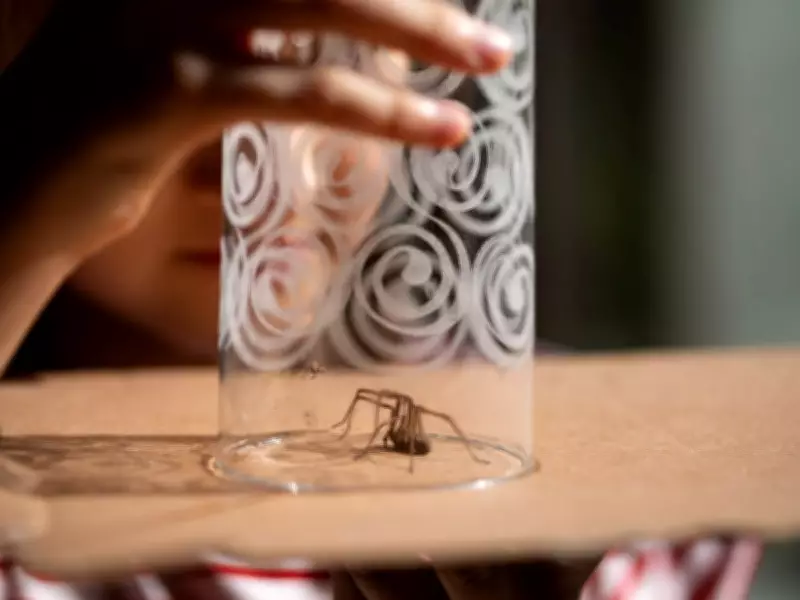
UK households are being urged to undertake a crucial garden task as spider season has 'started early' this year. False widow spiders are on the rise in homes across the country following the recent heatwave, which has accelerated breeding and boosted population numbers.
Spider Season Arrives Early After Heatwave
Following two consecutive days in May that smashed temperature records, the abrupt cooldown has resulted in a surge of false widow sightings nationwide. The number of spider bites is also worrying, with NHS figures showing 100 people needed hospital treatment in 2025, double the 47 cases recorded a decade earlier.
The rise in sightings of these eight-legged creatures can occur after extended heatwaves that speed up breeding in outdoor habitats. When temperatures then drop again, the expanding spider population starts invading homes seeking warmth.

How Spiders Enter Homes
There are multiple ways spiders can get into the home, but one straightforward gardening task can significantly reduce their spread. Oxford University ecologist Clive Hambler has described the false widow as the "most dangerous spider currently breeding in Britain," adding: "The days when you could just treat spiders as benign in Britain are over."
Luke Newnes, garden expert at Hillarys, has disclosed several gardening and household tasks that can help discourage false widows from entering your home, including trimming back ivy and other climbing plants.
Where False Widow Spiders Hide
Luke has provided a list of places where false widows could be lurking around your home:
- Ivy and other climbing plants against walls
- Window and door frames
- Garden sheds and outbuildings
- Soffits and fascia boards
- Behind outdoor plant pots and garden furniture
How to Stop False Widows Getting In
1. Cut back ivy and climbing plants touching the house
Trimming back by 30cm from the wall eliminates the bridge between garden populations and gaps around frames, without damaging the plant.
2. Check and reseal window and door frames
Silicone deteriorates and fractures over time, particularly on the outside of your property. Any gap large enough to fit a fingernail into is sufficient for a false widow to gain entry to your home. Ensure you reseal these now as temperatures fall. A tube of sealant can cost as little as £5 and takes just 20 minutes to apply.
3. Replace worn threshold seals and draught brushes
The gap beneath the back or side door is among the most frequently overlooked entry points in the home, and one that false widows will exploit during this period. These gaps can be filled with a brush strip, which costs under £10 from most hardware stores.
Why Has There Been an Increase in False Widows?
Luke explains: "A sustained hot spell is good news for false widows - warm conditions speed up breeding and push population numbers higher than normal. The cool-down afterwards is what sends them inside. They are not aggressive and they are not hunting people out, but they will move through any gap they can find in a door threshold or window seal. The entry points are the thing to focus on, and most UK homes have not had those checked in years."