Households are being urged to place tin foil behind radiators this November as a cheap way to reduce heat loss and lower energy bills during the colder months.
The tip comes as energy prices have already risen and further increases are expected, prompting many to look for cost-effective ways to keep homes warm.
How Tin Foil Works
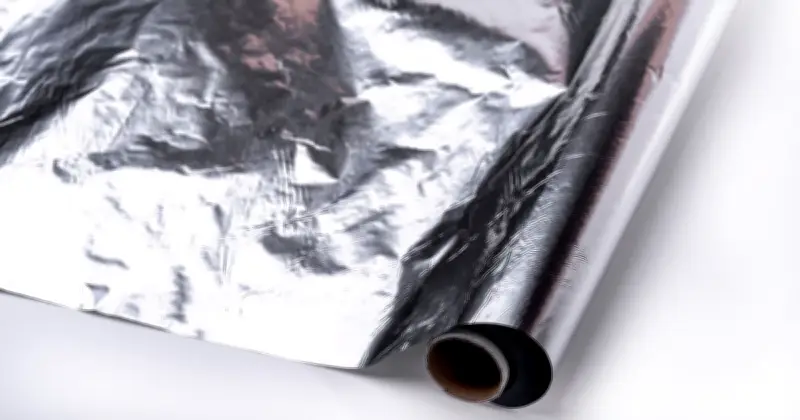
Kitchen foil, also known as tin foil or aluminium foil, works by reflecting heat in the same way foil is used on spaceships. The foil bounces heat that would otherwise be lost behind the radiator back into the room, preventing it from being wasted in the wall.
This means homes can stay warm more easily during winter when the foil is used, according to heating experts.
DIY Advice from Energy Experts
Home energy experts Energy Guide.Org advise that a simple roll of tin foil may do almost the same job as custom-made or high-end radiator reflectors. They said: "Specialised reflective foil, designed to redirect warmth back into your living space, is an effective strategy to conserve heat and provide insulation."
They added: "For a DIY approach, you can attach foil to cardboard panels and place them behind radiators, ensuring the reflective side faces the room. Double-sided adhesive pads can also help to secure these panels in place."
Better Results with Bespoke Reflectors
While this is a cheap and cheerful strategy, better results can be achieved with proper bespoke radiator reflectors. Energy Guide.Org noted: "Placing foil behind radiators can reflect heat into living spaces, potentially saving on heating bills, especially effective on external walls."
However, they cautioned: "Kitchen foil isn't ideal as it degrades and crinkles over time. Specialised radiator reflectors like Radflek are more durable and effective. Research indicates these can significantly reduce heat transfer and provide real-term savings, with the amount saved varying by property type and wall insulation. The British Board of Agrément confirms that Radflek can reduce heat transfer by up to 45%."