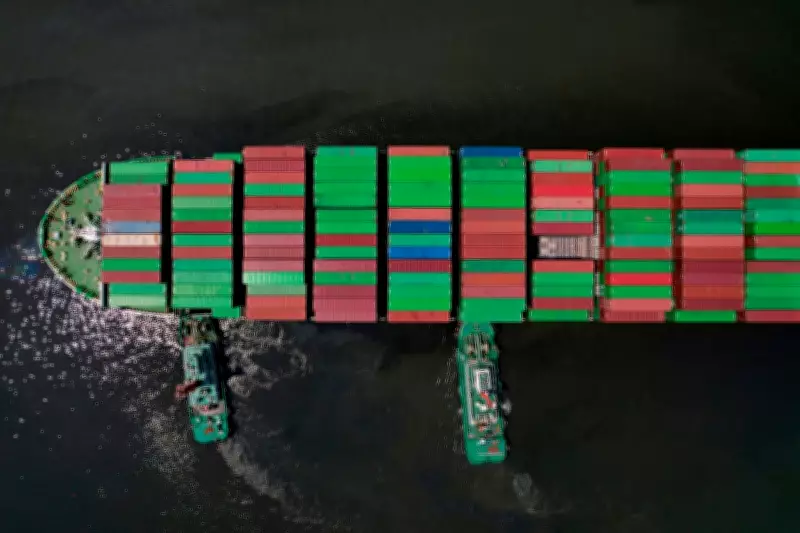
The global maritime industry is bracing for a significant shortage of bunker fuel, the heavy, sludge-like substance that powers most of the world's cargo ships. The ongoing conflict in Iran has effectively closed the Strait of Hormuz, a critical chokepoint for oil shipments, disrupting supplies to the largest refueling hub in Asia and sending shockwaves through international trade networks.
What Is Bunker Fuel?
Bunker fuel is a low-grade, highly viscous byproduct of crude oil refining. It is heavier and dirtier than fuels used by cars or airplanes, often settling at the bottom of storage tanks. Despite its unappealing qualities, it is essential for moving approximately 80% of globally traded goods by sea. Experts warn that a shortage of this fuel will inevitably lead to higher shipping costs, increased consumer prices, and reduced profits for businesses worldwide.
Asia Bears the Brunt
Asia, which depends heavily on Middle Eastern oil, is experiencing the earliest and most severe impacts. Singapore, the world's largest bunker fuel refueling hub, is seeing dwindling reserves and skyrocketing prices. Before the war, bunker fuel in Singapore cost about $500 per metric ton; by early May, prices had surged to over $800 per metric ton. Natalia Katona of OilPrice.com noted, "We just see the price in Singapore going up, up, up."

Supply Chain Ripple Effects
The crisis is forcing shipping companies to adapt through measures such as reducing vessel speeds and revising schedules. Clarksons Research reported that the average speed of bulk carriers and container ships has slowed globally by about 2% since the war began on February 28. However, these measures may only provide temporary relief. Henning Gloystein of Eurasia Group warned that some companies will not survive this "triage" for long, and the pain will spread beyond Asia through global supply chains.
Costs Passed to Consumers
For now, shipping companies are absorbing much of the increased costs, but this is expected to change. June Goh, an oil analyst at Sparta Commodities, stated that these costs may soon "pass on to the customers." The European Federation for Transport and Environment estimates the daily cost of the Iran war to the global shipping industry at 340 million euros (nearly $400 million). Oliver Miloschewsky of Aon explained that bunker fuel shortages feed through to shipping costs more quickly than other pressures, and cumulative effects can ripple across supply chains, ultimately influencing consumer prices across many sectors.
Limited Options for Ship Operators
Shippers have few alternatives: pay more for fuel, implement fuel-saving measures, or suspend voyages. The high prices are also driving renewed interest in greener fuels. Håkan Agnevall of Wartsila noted that technology for lower-emitting fuels exists, but production is not yet at scale, and greener fuels are often more expensive. However, rising fossil fuel prices are narrowing the cost gap, improving the business case for green alternatives.
Shift Toward Dual-Fuel Vessels
Angad Banga, CEO of The Caravel Group, which owns Fleet Management Limited, revealed that about one-third of the ships his company is overseeing will be "dual fuel capable," able to run on both conventional bunker fuel and alternatives like liquefied natural gas (LNG). Ship owners are willing to pay a premium for this flexibility because "in a volatile environment optionality has a measurable economic value." While LNG infrastructure remains limited, Banga noted that progress is real and the bunker fuel crisis is accelerating interest in LNG-capable ships.
The Associated Press’ climate and environmental coverage receives financial support from multiple private foundations. The AP is solely responsible for all content.