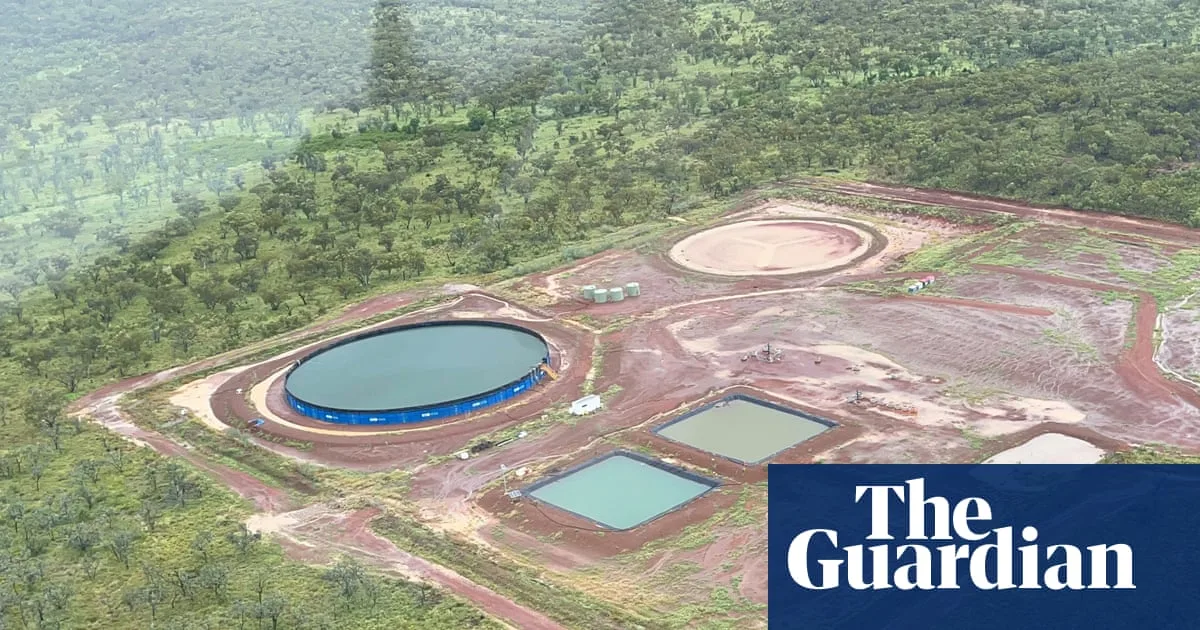
Santos could begin new drilling for gas in the Northern Territory’s Beetaloo basin within weeks after the Finocchiaro government granted approval for up to 12 wells. The decision, published late last month, has prompted calls from environment groups for federal environment minister Murray Watt to assess the project under national nature laws.
The project at Tanumbirini Station, a 5,000 sq km cattle station, would involve 12 new appraisal wells to assess the quality and commercial potential of the gas resource. A company spokesperson confirmed Santos planned to begin drilling in the second half of the year, with the month still to be determined.
Environment Centre of the Northern Territory executive director Kirsty Howey expressed concern that the project is a gateway to full-scale fracking in the territory, adding to the climate crisis. She urged Minister Watt to ensure the project is assessed under federal environment laws, considering impacts on waterways and threatened species such as the northern blue-tongue skink and Gouldian finch.
Australian Conservation Foundation climate campaigner Meg Good highlighted a 2023 analysis by Climate Analytics, which found fracking across the Beetaloo could lead to 1.2 billion tonnes of greenhouse gas emissions over 25 years. Separate modelling by Springmount Advisory found gas from the region could be up to two-and-a-half times more expensive than gas from existing Queensland fields.
Santos chief executive Kevin Gallagher told investors the company considers its Beetaloo acreage a “phenomenal resource” that could supply the east coast market for more than 50 years. Territory chief minister Lia Finocchiaro expressed excitement at the prospect of powering beer fridges with Beetaloo gas.