Natalya Pavlovna watched her two-year-old son play with Lego inside a warm tent in Kyiv's Troieshchina district, a temporary refuge from the -18°C cold outside. The emergency facility, donated by Unicef, offers a brief respite for residents whose homes have been left without power or heating due to relentless Russian attacks on Ukraine's energy infrastructure. 'Russia is trying to break us. It's deliberate genocide against the Ukrainian people,' she said.
Her apartment is one of 2,600 buildings in the capital currently without electricity or heating. Since the start of the full-scale invasion nearly four years ago, the Kremlin has repeatedly targeted substations, thermal power plants, and rescue workers. In recent weeks, Russia has overwhelmed Kyiv's air defences, inflicting further damage during one of the coldest winters in decades. Ballistic missiles destroyed the Darnytska combined heat and power plant, which supplied much of the left bank of the Dnipro River. Capital-wide blackouts now restrict electricity to three or four hours a day.
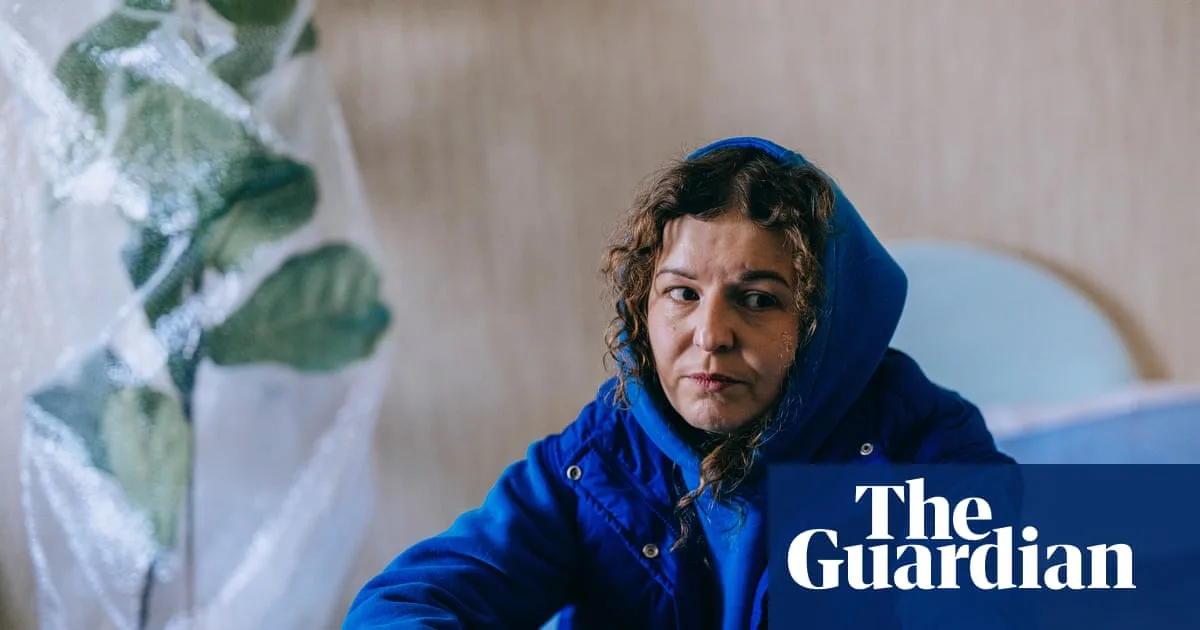
Residents have adopted ingenious hacks to keep warm. Some heat bricks and rocks over gas stoves, others erect tents inside living rooms. Cafes and state emergency shelters have become popular refuges. Julia Po, an artist from Russian-occupied Crimea, showed her seventh-floor home in the Dniprovskyi neighbourhood. With no electricity, the lift and lights do not work; frozen water pipes burst two weeks ago, causing a flood. She has insulated her front door with bubble wrap and sleeps under two blankets in thermal underwear. 'When you wake up in the morning you can feel your kidneys,' she said.
The impact on families has been severe. Toby Fricker, a Unicef spokesperson, noted that 45% of schools in Kyiv are closed due to lack of central heating. 'Education has been disrupted. Kids and teenagers experience social isolation. They are missing out on normal life,' he said. Yuliia, a mother of six-year-old twins, said she sees reasons to leave and to remain. 'We don't know how long this situation will last. It's cold. We sleep in our hats,' she added.
Natalya compared the current crisis to the 1932-33 Holodomor famine engineered by Stalin, noting the similarity in Ukrainian words: holodomor (extermination by starvation) and kholodomor (death by cold). 'Putin wants to do to Kyiv what he did to Mariupol,' she said. Po, who feels dispossessed, summed up the mood: 'It's as if someone has stolen my home. There is the same vibe as 2022. This is our reality.'