
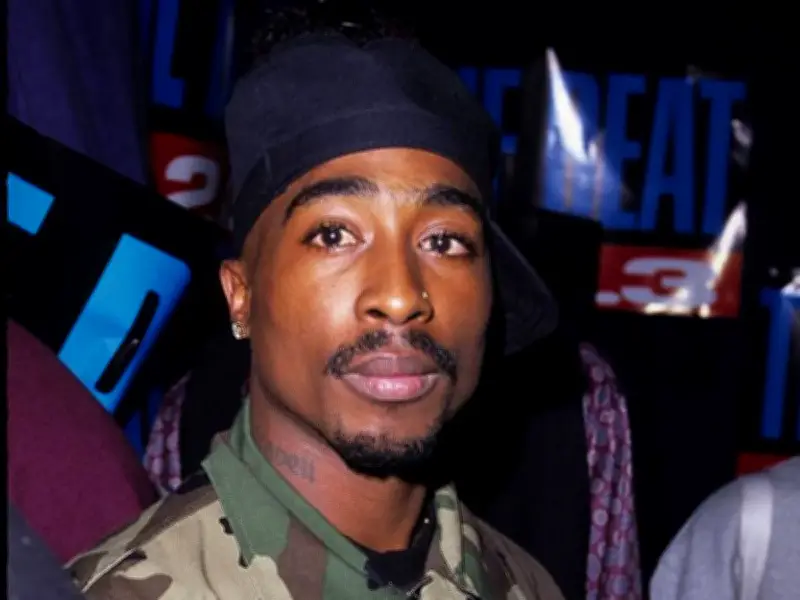
Duane "Keffe D" Davis, 63, has been sentenced to 40 years to life in prison for orchestrating the murder of rap icon Tupac Shakur. The music superstar was shot dead near the Las Vegas Strip more than 30 years ago. Davis was found guilty in August of first-degree murder with the use of a deadly weapon. He remains the only individual ever charged in connection with Shakur's death, whose fame was at its height at the age of 25.
Prosecutor: Davis 'guaranteed to die' in prison
Prosecutor Marc DiGiacomo stated on Tuesday that regardless of the sentence handed down by the court, Davis is "guaranteed to die" in prison. "It's not just about losing a family member," DiGiacomo stated as Shakur's sister Sekyiwa "Set" Shakur nodded her head amongst those present.
The killing remained unresolved for years until Davis, a former leader of the South Side Compton Crips, provided interviews and detailed his involvement in the shooting in his 2019 tell-all memoir. DiGiacomo argued Davis was attempting to profit from a killing he committed, and for that reason he does not merit the minimum sentence. "In my mind he deserves the maximum possible sentence," DiGiacomo stated.
Davis addresses court and plans appeal
Davis addressed the court briefly, informing Judge Carli Kierny he wants possessions returned that police seized from his residence, including his photographs. When asked if there was anything further he wished to say, Davis responded: "No I'm good." Davis' solicitor, Michael Sanft, stated he intends to appeal the verdict. Sanft argued prosecutors delayed too long in bringing the case.
On the evening of 7 September 1996, Shakur was travelling in the passenger seat of a black BMW alongside music executive Marion "Suge" Knight when a white Cadillac drew alongside at a red light, and gunfire rang out. Shakur sustained multiple gunshot wounds and died six days later, while Knight survived.
Shakur's legacy and family statements
Shakur is regarded as one of the most influential and versatile rappers in history and possessed a promising film career as an actor at the time of his death. His legacy has only expanded since. His music continues to resonate with fans through themes of adversity, love and Black struggles.
In his memoir, Davis detailed how Shakur and his associates attacked Davis' nephew hours prior to the shooting in Las Vegas. He stated he pursued revenge, and that he was seated in the passenger seat of the Cadillac and handed the weapon to the backseat, from where shots were discharged. Davis had previously spoken to investigators years earlier but escaped prosecution due to an arrangement he secured with law enforcement.
Throughout the weeks-long trial, prosecutors depended on Davis' own admissions he made to law enforcement and documentary makers. They contended Davis masterminded the shooting and supplied the firearm used in Shakur's death, which stemmed from a feud between the South Side Compton Crips and Mob Piru. Davis' defence solicitor highlighted an absence of physical evidence linking his client to the 30-year-old crime, and he depicted Davis as a fabricator who was attempting to profit financially. Following nine days of testimony in August, the jury spent three hours deliberating before delivering the guilty verdict.
Shakur's relatives addressed the sentencing, including his siblings Maurice "Mopreme" Shakur and Sekyiwa "Set" Shakur. After the verdict, prosecutor Binu Palal stated that while Shakur was an icon or an idea to many, "but to the family, Tupac Shakur was a brother, a son, a cousin, a loved person ripped from them 30 years ago." Palal noted the family endured years of Davis "bragging about killing someone they loved." "They loved that man. And the arrogance that Mr. Davis had in expressing his joy in killing that man ultimately was his undoing," Palal stated.
Davis remains the sole individual charged and found guilty in Shakur's killing. Clark County District Attorney Steve Wolfson has stated that his office does not consider it has adequate evidence to bring charges against any further individuals. "But like any other case, if we come into more information, more evidence, we can always consider filing additional charges," he said following the guilty verdict. "But today, we don't believe that's the appropriate move to make."




