Heating oil prices have more than doubled since the US-Iran war began, leaving rural households beyond the gas mains facing a tense winter. A year ago, 1,000 litres cost £549; today the same amount, lasting 10-12 weeks, is £1,219. Seasoned wood is in demand as residents seek alternatives.
No consumer protections for oil customers
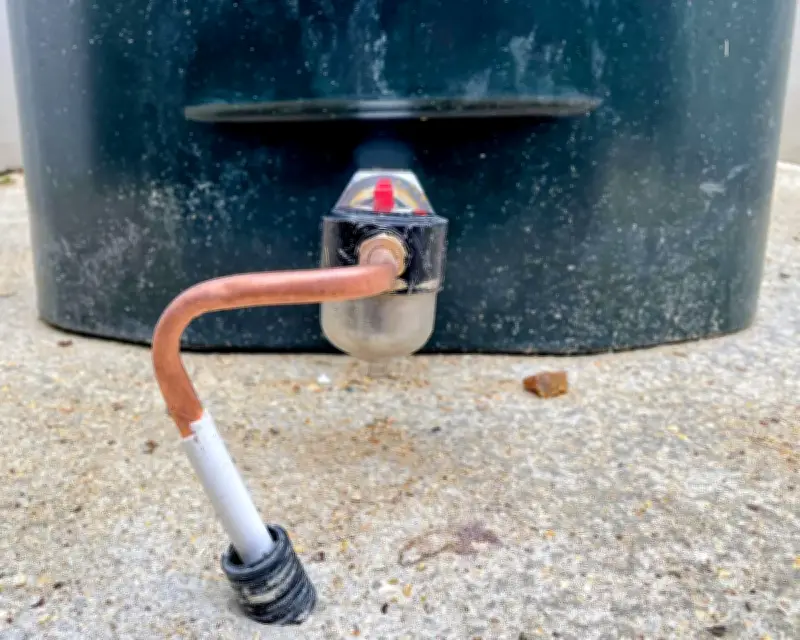
Most rural homes rely on kerosene oil for hot water and heating, with some using open fires or wood burners. Unlike gas customers, oil users have none of the consumer protections afforded to them. When the price per litre drops, as it did during the June ceasefire, the village WhatsApp group lights up.
Some residents still have a back boiler system: a water tank tucked behind a fireplace that heats and circulates hot water to taps and through radiators. With access to firewood, it is possible to heat a home for nothing. Until recently, the author supplemented oil heating with wood from the estate, until that right was rescinded by the gamekeeper after a falling out.
Historical disputes over firewood
This is not the first time a villager has had a run-in about collecting wood. In between rain showers, the author heads out past the gamekeeper's old residence to where the estate woodsman's cottage once stood, on the way to the former Wadsmere Common. They step over branches felled by storms Austen and Boelo, mostly ash, the best for burning.
Beside the pile of stones where the cottage stood, a tree creaks like a garden gate swinging open. "Granny" Bulpitt, as she was known, was the last occupant. Her father-in-law was the estate bailiff, and after the common and down were enclosed in 1840, he informed on villagers who persisted in collecting firewood.
Evictions and fuel poverty
To the estate owners, King's College, Cambridge, "their" wood was lucrative commerce. Plunged into fuel poverty, the villagers took the estate to court and won, their plight taken up by the Times. But in retaliation, the estate evicted five tenant families into a severe January snowstorm and pulled down their houses.
"Granny" Bulpitt's associations were not forgotten. When she died in 1903, the college let the house fall to ruin. No one lives on Granny's Lane now, except her rumoured ghost. Winter fuel is forever a contentious issue.