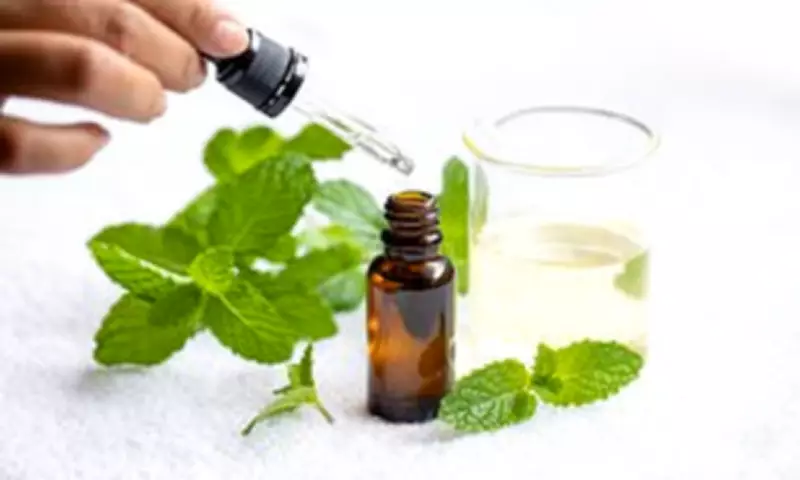
Peppermint oil, long used as a natural remedy for irritable bowel syndrome, stomach cramps, bloating, and excess wind, is now emerging as a potential key player in lowering blood pressure. Researchers from the University of Lancashire have found that a daily dose of the oil, available in capsules or as droplets to be diluted, could offer a low-cost way to help tackle the condition that affects millions of Britons.
High Blood Pressure in the UK
Around one in three UK adults, roughly 16 million people, live with high blood pressure, which can lead to dangerous complications such as heart attack and stroke. Recent research has also linked the condition, known as hypertension, to kidney failure and even vascular dementia. Several lifestyle factors can increase the risk of developing it, including being overweight, smoking, lack of exercise, and a diet high in salt.
The Study Findings
The new study, published in the journal PLOS One, found that peppermint oil supplements, which cost as little as £10 for a 90-day supply, may be a surprising remedy. In a trial of 40 adults, those with above-average blood pressure who took a daily intake of 100 microlitres of peppermint oil, split twice daily over 20 days, experienced drastic reductions in both systolic and diastolic blood pressure levels.

Systolic blood pressure, the top number in a reading, measures the pressure exerted against artery walls when the heart beats. Diastolic blood pressure, the lower number, measures the pressure in the arteries when the heart rests between beats. Healthy blood pressure is generally below 120/80 mmHg.
Trial Details
The treatment was tested on 40 participants aged between 18 and 65, who were split into two groups: one given peppermint oil and the other a peppermint-flavoured placebo drink containing no peppermint oil. At the start of the study, the peppermint group had an average blood pressure of 130.05/83.25 mmHg, while the placebo group averaged 130.93/83.20 mmHg.
By the end of the trial, the peppermint group's systolic blood pressure had fallen from 130.1 mmHg to 121.97 mmHg, while the placebo group's rose slightly from 130.93 mmHg to 131.05 mmHg. Diastolic blood pressure in the peppermint group also fell from 83.25 mmHg to 78.52 mmHg, compared with almost no change in the placebo group, which shifted from 83.20 mmHg to 83.05 mmHg. This left the peppermint oil group with a rounded blood pressure of 122/79, while the placebo group remained at 131/83.
Expert Commentary
Dr Jonnie Sinclair, the study's lead author and reader in sport and health sciences at the University of Lancashire, said, 'High blood pressure is one of the biggest causes of heart disease and death worldwide, and it costs a huge amount of money to treat. Although medicines are commonly used to treat it, it's not always clear how well they work in the long term, and they can cause unwanted side effects.'
The researchers cautioned that their study was carried out over a short period of time and with a small group of participants. However, Dr Sinclair added: 'Our findings were very positive and they have significant clinical implications, especially given arterial hypertension is the most common preventable risk factor for cardiometabolic disease and the greatest single risk factor for global mortality. Peppermint oil is low in calories and price, so it's proved to be a very simple and cost-effective solution to potentially treat millions of people around the world.'
NHS Advice on Peppermint Oil
The NHS states that peppermint oil can be useful for a number of reasons, including relaxing bowel muscles, which can relieve stomach cramps, and ease bloating and flatulence. Its effects can begin within a few hours, but the full benefits sometimes take between one and two weeks. While they advise to 'keep taking peppermint oil until your symptoms improve', the NHS warns that people should not take it for longer than two weeks without checking with a doctor, particularly if it has been bought from a pharmacy or a shop.
Who Should Not Take Peppermint Oil?
While most adults and children aged over 12 can take peppermint oil, the NHS advises that it is not suitable for some people. Those who should not take it include:

- Those who have had an allergic reaction to peppermint oil, aspirin, or other medicines
- Those with liver disease or gallstones
- Those who weigh less than 40kg (around 6st 5lbs) or are losing weight
- Those with allergies to peanuts, peanut oil, or soya
- Those aged 40 or over with IBS who have not had an attack for a while
- Those who have taken peppermint oil for symptoms that have since changed
- Those with blood in the stool
- Those who have abnormal vaginal bleeding or discharge
- Those who have difficulty or pain when peeing
- Those who feel sick or are vomiting
- Those who look paler than their usual skin tone
- Those who have recently had a high temperature
- Those who are pregnant or think they may be pregnant
- Those who suffer with digestive problems like reflux disease, severe constipation, and ulcerative colitis
- Those who have never had stomach cramps before
- Those who have recently travelled abroad