Oil prices rose by more than 2% on Thursday after Iran seized a tanker off the coast of Oman, stoking fears of further disruption to global fuel supplies. Brent crude climbed to $78.40 a barrel as armed men ordered the vessel, bound for Turkey, to sail to an Iranian port.
The UK Treasury has reportedly modelled scenarios in which the international price of crude oil rises by at least $10 (around £7.83) per barrel and natural gas prices increase by 25%, should the crisis escalate. Europe’s reliance on gas shipments through the Gulf and the Strait of Hormuz heightens the potential economic impact.
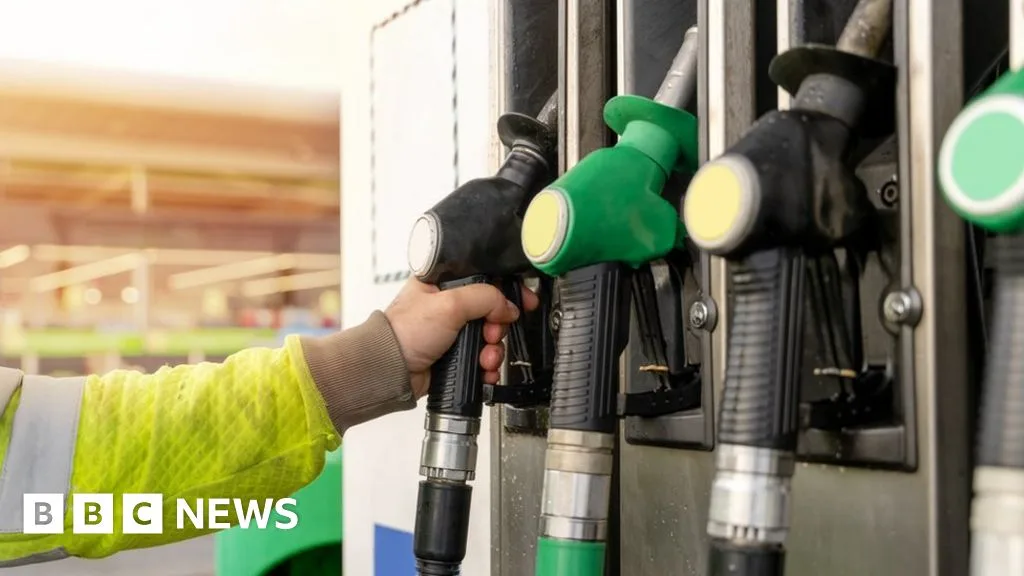
Iranian state media described the seizure as retaliation for the US hijacking of the same tanker last year, raising the prospect of wider Middle East conflict that could push up British fuel prices. However, the average price of a litre of petrol fell below £1.40 on Thursday for the first time since October 2021, according to the AA. Diesel averaged 147.83p a litre, down from 171.93p a year ago.
Caroline Bain, chief commodities economist at Capital Economics, noted that oil markets have been relatively muted in response to recent attacks in the Red Sea and the Israel-Hamas war. “Initially there were fears that major producers like Iran and Saudi Arabia would become involved, but that now seems less likely,” she said. Strong US oil production growth in 2023 and output from Brazil and Guyana have also eased supply concerns, though Bain warned that any further escalation in the Middle East could trigger a more marked price rise.