Oil Prices Hold Steady Near $100 as US Extends Iran Ceasefire
Oil prices have remained firmly anchored near the $100 per barrel mark following a significant announcement from the United States government. President Trump declared an indefinite extension of the ceasefire with Iran, a move made just hours before the previous agreement was set to expire. This development has injected a measure of stability into volatile global energy markets, though underlying tensions persist.
Blockade of Strait of Hormuz Continues Unabated
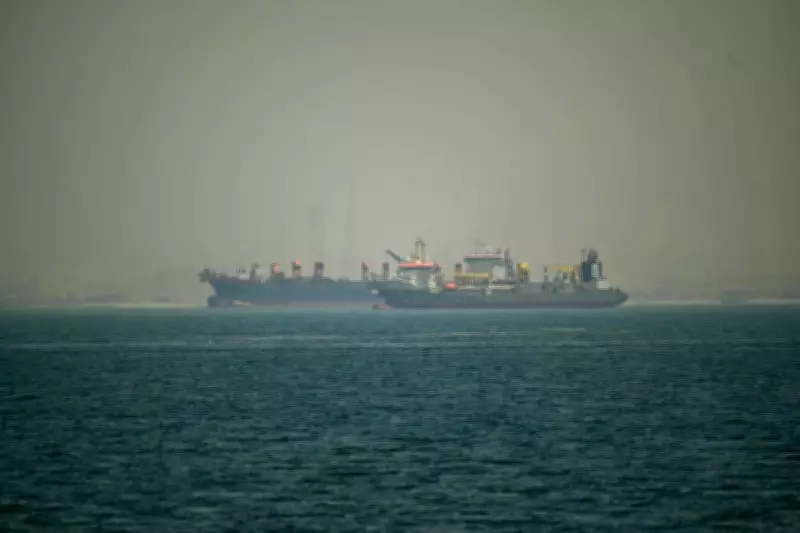
Despite the ceasefire extension, the strategic Strait of Hormuz remains effectively closed to commercial traffic. The United States Navy is maintaining a stringent blockade of Iranian ports, ensuring that the vital waterway, through which a substantial portion of the world's oil shipments passes, is at a standstill. This dual approach of extending peace talks while enforcing military pressure underscores the complex geopolitical landscape.
Iran has responded with scepticism and defiance to the US announcement. The Tasnim news agency, closely aligned with Iranian Revolutionary Guard Corps, stated that Tehran had not requested the ceasefire extension. Furthermore, Iranian officials reiterated previous threats to break the US naval blockade by force if necessary, highlighting the fragile nature of the current truce.

Financial Markets Show Cautious Optimism
Global financial markets have largely welcomed the news of the extended ceasefire. S&P 500 and Nasdaq futures recorded noticeable gains, while Asian stock markets surged to record highs in early trading sessions. This positive sentiment reflects investor relief at the avoidance of an immediate escalation in hostilities.
However, energy and geopolitical analysts are urging market participants against complacency. The continued blockade and Iran's hostile rhetoric suggest that the risk of a sudden flare-up remains very real. The situation demands close monitoring as any disruption could send oil prices soaring beyond current levels.
Broader Energy and Economic Fallout Intensifies
The protracted crisis in the Persian Gulf is triggering wider repercussions across global energy systems and economies. In Europe, the European Commission is actively preparing a suite of measures designed to mitigate the impact. These include proposals to cut electricity taxes and better coordinate natural gas storage among member states to enhance energy security.
In the United Kingdom, specific concerns are mounting over potential jet fuel shortages, which could severely disrupt air travel. Additionally, economists are warning that the sustained high oil prices are contributing to accelerating inflation rates, putting further pressure on household budgets and complicating the Bank of England's monetary policy decisions.
The interplay between extended diplomacy, military posturing, and market reactions creates a highly uncertain environment. While the ceasefire extension offers a temporary reprieve, the ongoing US blockade and Iran's threats ensure that energy markets will remain on edge, with prices sensitive to any new developments in the coming days and weeks.