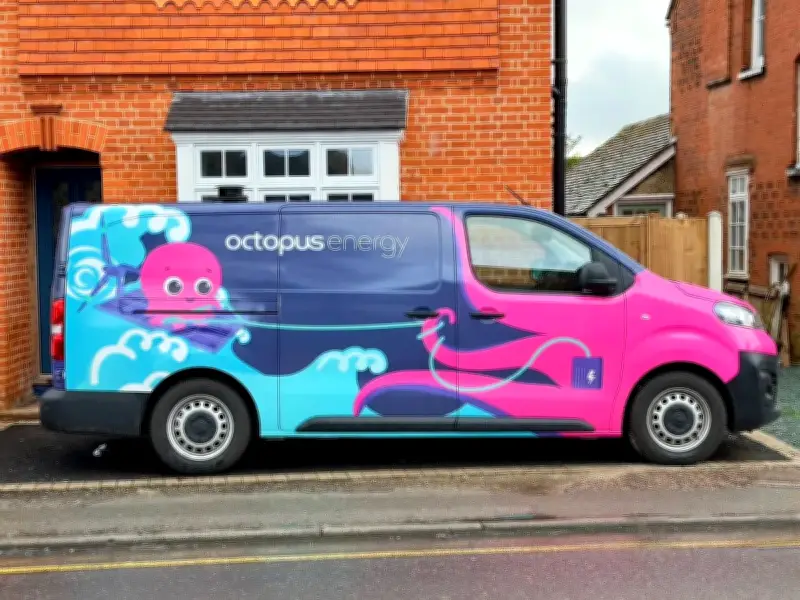
Octopus Energy has advised that adjusting a single boiler setting could reduce heating costs this winter, with the company suggesting that setting the flow temperature on a combi boiler to between 55 and 60 degrees could save up to £65.
One of the energy supplier's top tips for lowering energy bills is: "Set your flow temperature to between 55 and 60 degrees on your combi boiler." It adds: "Take a look at Nesta's Money-Saving Boiler walkthrough to see how, depending on your boiler, you could save £65."
How Condensing Mode Works
The Nesta guide explains that lowering the flow temperature to 60°C puts the boiler into "condensing mode." When the boiler operates in this mode, Nesta said that "it will recover heat that would otherwise be lost and will run more efficiently."
Following the walkthrough steps, the guide states: "Your boiler should now be running more efficiently. This will reduce the amount of gas it needs to burn to heat up your house, saving energy and money."
What to Expect After the Change
The guide also notes that, as the boiler heats the water in radiators to around 60°C, they may feel less hot than before making the change, which is perfectly normal. It said: "As your radiators won't be as hot, rooms may take slightly longer to heat up. This is to be expected and can be fixed by setting your heating to start 15-30 minutes earlier than before."
Boiler flow temperatures are usually set by default between 75 and 80°C. Installers often set them high to warm homes quickly, but this prevents condensing boilers from operating at maximum efficiency, according to the Mirror.
Additional Energy-Saving Tips
The Energy Saving Trust recommends that homeowners "should adjust settings gradually and make sure your heating controls are set up correctly before making changes." It notes that the process may require "some trial-and-error" to discover what suits your home.
More energy-saving tips from Octopus include air-drying clothes instead of tumble-drying to save £50, draught-proofing to save £85, controlling the thermostat to save £90, putting an insulation jacket on the hot water tank to save £40, switching off standby devices to save £45, reducing shower time to save £45, being bright with lights to save £45, washing clothes less and at 30°C to save £27, and changing the shower head to save around £25.
In other news, Octopus has confirmed it is once more distributing electric blankets to customers in need. Octopus stated that it was there to "support customers most in need, particularly people with really specific vulnerabilities and medical needs." It explained it would be "prioritising those customers" and encouraged those who could manage to purchase their own blanket to do so. Its research revealed they cost around £50 and could save a typical household approximately £300 compared with keeping the heating on constantly.
Describing how the scheme originated, Octopus said: "One of our boffins realised that some customers were paying to heat their entire homes, even if they lived alone. He did some calculations and found out that where heating a whole home cost about £4 a day, an energy-efficient electric blanket could heat a person for just 2-4p an hour." To obtain one, the first step is to apply to the Octo Assist fund, after which the applicant's account and information will be reviewed, with a decision reached in approximately a week.