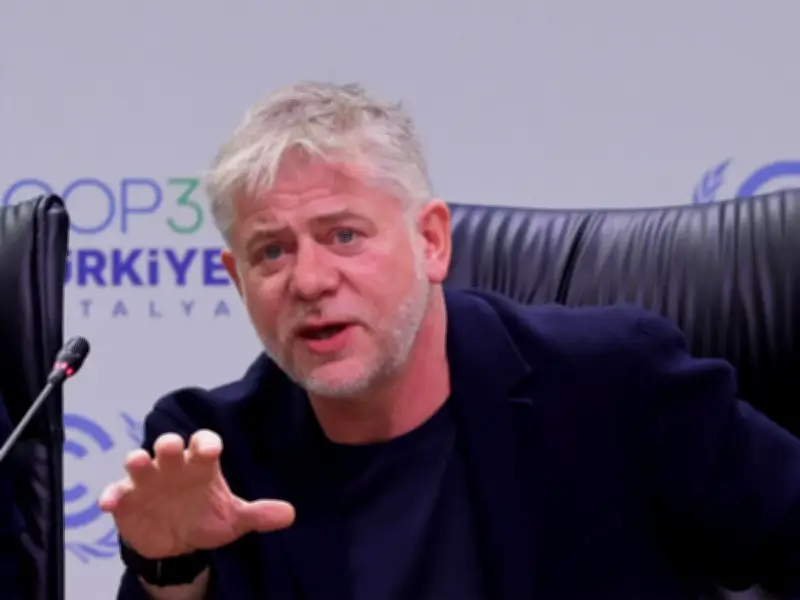
Octopus Energy chief executive Greg Jackson has said UK households will not see a "proper drop" in energy prices for months, even if the conflict with Iran ended immediately. His comments follow Ofgem's decision to raise the price cap to £2,166 per year for a typical dual fuel household from January 1.
Price cap rise of £443
The new cap, which limits what suppliers can charge customers on standard or default variable tariffs, is up £443, or 26 per cent, on current levels. Ofgem attributed the rise to the US-Israeli conflict with Iran.
The increase means households face the highest quarterly energy bills since the second quarter of 2023. With no end to the conflict in sight, bills could remain high for the foreseeable future.
Jackson's warning on bills
Speaking on Martin Lewis' ITV show, Jackson agreed the Iran conflict was to blame for high prices. But he warned that even if the conflict ended, the UK would still face high prices for months.
"The reality is what we're dependent on today is what's going on in Iran. And even if the bombs stop falling, it's going to take months before we start seeing a proper drop in prices," he said.
Jackson also argued the UK electricity system is "broken" and that without policy change, electricity bills will keep rising each year regardless of wholesale prices. He called for breaking the link between electricity prices and gas prices, and for stopping payments to wind farms to turn off generation when it is windy.
"We need to start doing this urgently because today alone we spent 14 million quid paying gas plants in the south of England to replace electricity - wind that could have come from Scotland - and sending it to France subsidised by (the) British," he added.
Reaction to the increase
Neil Kenward of Ofgem said the rise was being driven by the conflict in the Middle East, but added: "We know this price increase will be a worry for many households as winter approaches."
Derek Mitchell, chief executive of Citizens Advice Scotland, said: "Energy bills are already extremely difficult. This staggering increase will make them unbearable for thousands of people across Scotland – particularly those on the lowest incomes, with disabled people and those in rural communities facing real harm."
Mitchell added: "It is especially devastating that this massive increase will come at the coldest point of the year. Our energy system is broken. What was described as a crisis in 2022 has become a permanent state of emergency. Bold, targeted and urgent solutions are needed to prevent people from experiencing further harm. The scale of intervention must match the scale of the emergency."
The UK Budget included a pledge to give payments of £100 to all those living in homes in council tax bands A to D to help with energy costs, with the Scottish Government having said it will work with councils to replicate the Westminster scheme north of the border.