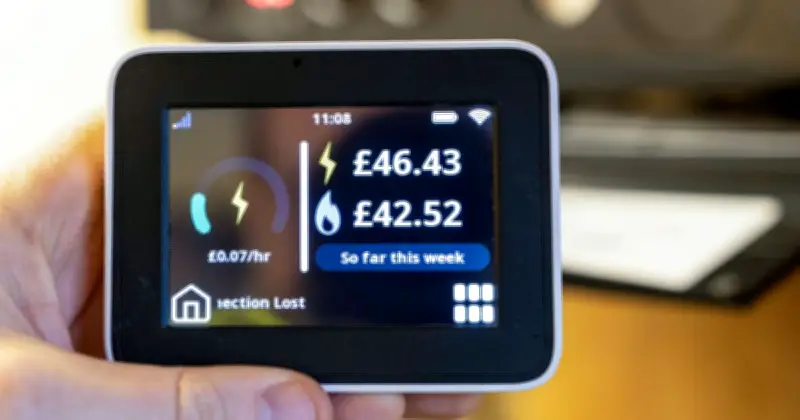
Ofgem has confirmed that energy bills will rise by 25.7% from January 1, pushing the average household bill to £2,166, an increase of £443 for a typical user. However, households may be able to avoid the hike by switching to a cheaper fixed deal.
The regulator stated: “From 1 January to 31 March 2027 energy prices will go up by 26% for a typical household who use electricity and gas and pay by Direct Debit.” The cap applies to the unit rates of gas and electricity, not the entire bill, so those who use more energy will pay more.
How the rise affects different households
Money expert Martin Lewis explained the practical impact of the rise on X: “(BAD) NEWS CONFIRMED: The domestic Price Cap for Eng, Scot & Wales for the three months starting 1 January is to RISE 25.7%. This impacts two-thirds of households (all those not on fixes or special deals).”
He noted that a household on Ofgem's typical use figure would pay £57 a month more over the three-month period. The rise is entirely on unit rates, meaning electricity-only users on low usage could see rises of roughly 20% on £100 per month, while heavy gas users could face rises of roughly 31% on £300 dual fuel.
Beating the cap with a fixed deal
Lewis highlighted that fixed deals are currently available at only 2% higher than the October price cap, making them 19% cheaper than the January cap. He advised: “The risk-averse thing to do is to get off the Cap lock in to a cheap fix now. Don’t just look at your own firm though, it is unlikely to have the cheapest deal, you need to do a whole of market comparison.”
The cheapest fix is an exclusive deal via MoneySavingExpert’s Cheap Energy Club, which offers a whole-of-market comparison by default. Lewis noted that fixes are not available for prepay customers.
Impact on vulnerable households
Derek Mitchell, chief executive of Citizens Advice Scotland, said: “Energy bills are already extremely difficult. This staggering increase will make them unbearable for thousands of people across Scotland – particularly those on the lowest incomes, with disabled people and those in rural communities facing real harm.”
The average energy debt Citizens Advice Scotland helps people with has surged to £3,200, with Mitchell warning that “expecting people to absorb a further 26% increase is simply impossible”. He added: “Our energy system is broken. What was described as a crisis in 2022 has become a permanent state of emergency.”
The UK Budget included a pledge to give payments of £100 to all those living in homes in council tax bands A to D to help with energy costs, with the Scottish Government saying it will work with councils to replicate the scheme north of the border.