Labour Faces 'Gaslighting' Accusations Over Energy Bill Reductions
Labour has been accused of gaslighting the public regarding energy bills, as new predictions indicate that anticipated reductions this spring will be significantly smaller than promised. Industry research firm Cornwall Insights forecasts that the energy price cap will drop by £117 in April, bringing the annual cost for a typical household to £1,641.
Broken Promises and Political Fallout
This reduction falls short of the £150 cut that Chancellor Rachel Reeves pledged in the November Budget, leading many to point fingers at Energy Secretary Ed Miliband's Net-Zero policies for sustaining higher bills. The situation undermines Labour's election commitment to slash energy bills by £300, with bills now projected to be £73 higher than when Labour took office in July 2024, when the price cap stood at £1,568.
Tory business spokesman Andrew Griffith criticised the government, stating, 'Labour are gaslighting the public without even letting us have the gas.' He added, 'In another broken pledge, energy bills have not fallen as Rachel Reeves promised and her tax rises on business have fed through to a more costly weekly shop. No wonder Labour are about as popular as a measles outbreak in a playgroup.'

Budget Promises and Policy Criticisms
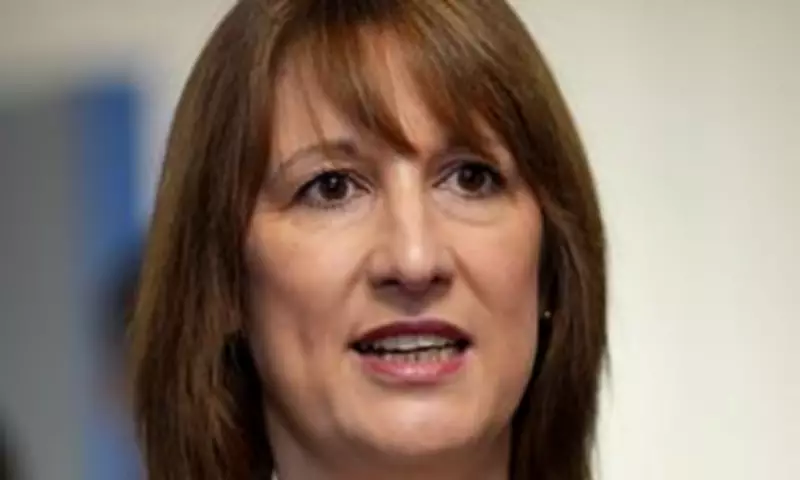
In her November Budget, Chancellor Reeves announced a £150 reduction from average household bills starting in April, achieved by scrapping a Tory-introduced government energy efficiency scheme. She emphasised, 'I can tell you today that for every family we are keeping our promise to get energy bills down with £150 cut from the average household bill from April next year. Money off bills and in the pockets of working people. That is my choice.'
However, shadow energy secretary Claire Coutinho dismissed this move as 'just a sleight of hand which moves costs straight from your energy bill to your tax bill, and it doesn't do anything to help businesses struggling with soaring energy bills.'
Green Policies and Rising Costs
Analysts have attributed the persistently high energy bills to Labour's green initiatives. Kathryn Porter, founder of energy consultancy Watt Logic, explained, 'Policy and network costs are the main drivers of bills and they are almost entirely down to choices Labour is making.'
Labour's ambitious plans include £90 billion for net-zero upgrades to the UK's high-voltage transmission grid by 2031, plus an additional £22 billion for the lower-voltage distribution network. Dr Craig Lowrey, principal consultant at Cornwall Insight, warned that maintaining falling bills will be challenging due to these network investments. He noted, 'That investment is needed if we want an energy system that is more secure and resilient, after the consequences of exposure to global energy markets were made all too apparent in recent years. However, there needs to be an open conversation about the fact that such a transition will not be cost‑free.'
Decarbonisation Goals and Consumer Risks
Energy Secretary Ed Miliband is advancing plans to decarbonise the UK's electricity grid by 2030. Critics, including The Tony Blair Institute, caution that this rapid transition could leave consumers financially vulnerable. They argue that the pace of implementation is too swift, potentially resulting in higher costs for households and businesses alike.
The ongoing debate highlights the tension between environmental objectives and economic realities, as the government navigates the complex landscape of energy policy and public expectations.