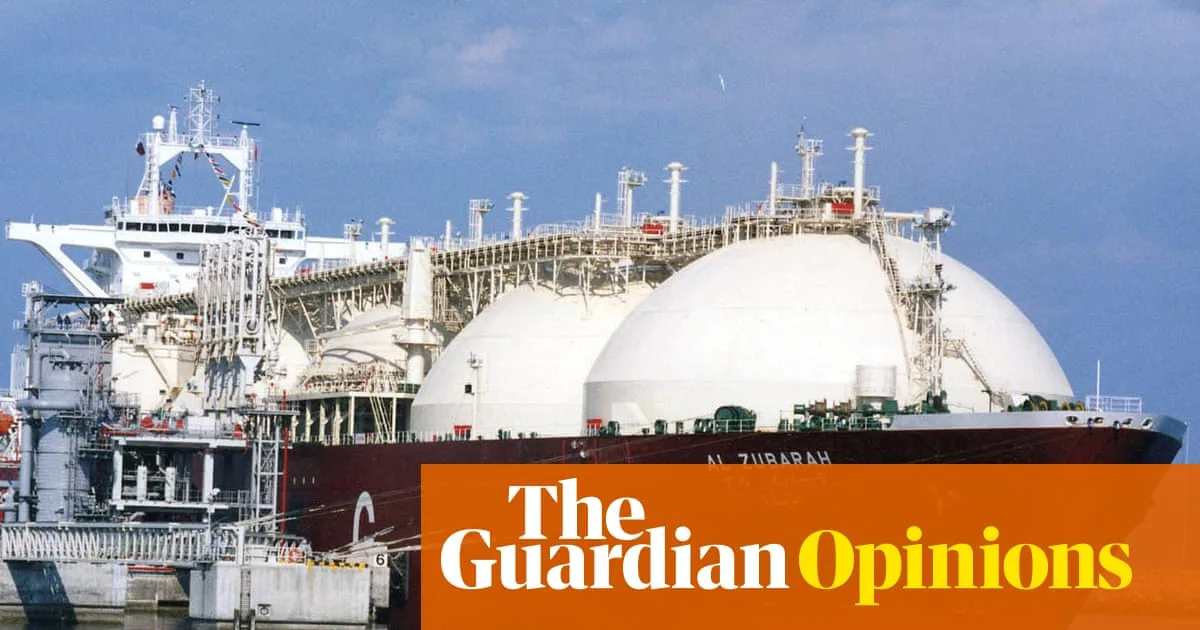
European wholesale gas prices surged 50% on Monday after QatarEnergy, the world's largest producer of liquefied natural gas (LNG), halted production following Iranian drone strikes. This cuts off 20% of global LNG supply, a fundamental market shift if sustained. Unlike Saudi oil, Qatari LNG cannot be diverted by pipeline; it must pass through the Strait of Hormuz, where shipping has effectively stopped.
A Goldman Sachs analyst warned that gas prices in Europe could rise 130% if Hormuz flows are disrupted for a full month, a threshold that triggered severe demand responses during the 2022 European energy crisis. Stifel's analyst said attempting regime change in Iran risks repeating Europe's 2022 crisis, potentially worse.
Europe and Asia are most exposed as major LNG buyers. About a quarter of Europe's gas supply in 2025 came as LNG; Britain's average over the past five years was 21%. European gas storage levels are low after a cold winter, while the US benefits from its shale gas boom as an exporter.
The UK has some relief: Qatar supplied only 6.5% of UK LNG imports over the past year, compared to 69% from the US since 2023, according to Cornwall Insight. However, LNG is a global market where cargoes can be diverted mid-transit, and higher wholesale prices quickly translate to higher consumer bills.
UK gas prices rose from 75p per therm last Friday to 114p on Monday. To match the 2022 crisis, prices would need to reach 250p and stay there. The government's 2024 security of supply report had assumed a robust, oversupplied global LNG market over the next four years, but that outlook now appears uncertain.