Iran Threatens to Block Second Major Oil Strait as 'Gate of Tears' Sparks Cost of Living Fears
Cost of living concerns, already heightened by Donald Trump's ongoing conflict with Iran, have intensified as the Iranian regime considers closing a second strategic strait. This move could inflict severe economic damage on Western economies, according to intelligence assessments.
Critical Trade Artery Under Threat
The uncertainty surrounding the Strait of Hormuz, which Iran has largely kept closed since entering a ceasefire with the Trump administration, has maintained crude oil and petroleum product prices at elevated levels. As peace negotiations resume today in Islamabad, Pakistan, both sides are demonstrating their strategic capabilities.
Iran's leverage extends beyond Hormuz to include the Bab el-Mandeb Strait, known as the "Gate of Tears" in English. This western alternative has become crucial for global shipping while Hormuz remains obstructed.

Houthi Control and Strategic Implications
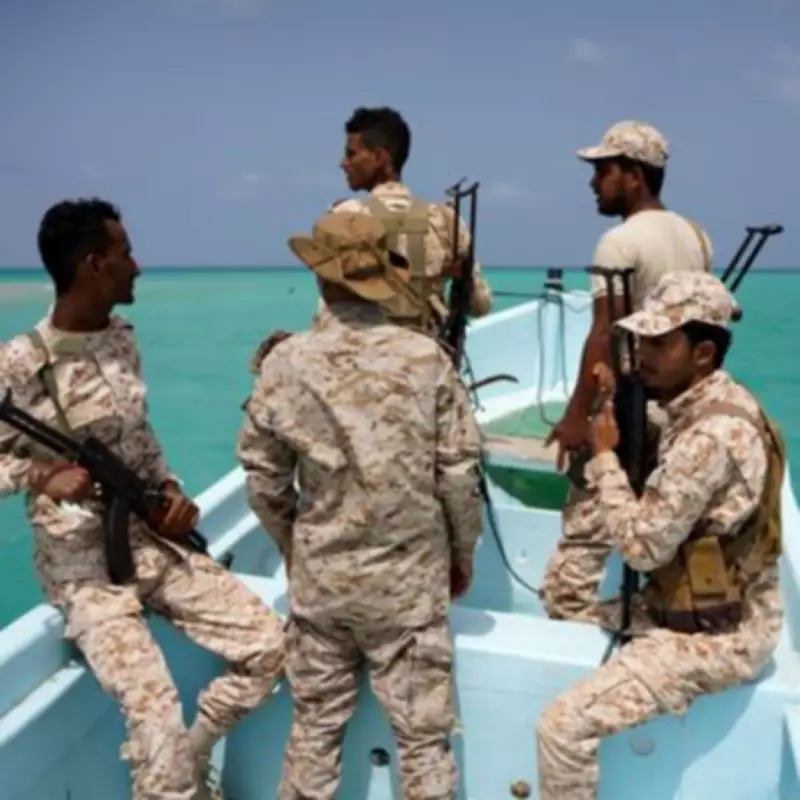
Unlike the Strait of Hormuz, Iran does not directly control the Bab el-Mandeb Strait, located thousands of miles west off the Yemeni coast. However, the passage is dominated by Iran-aligned Houthi rebels, who have threatened to shut it down, according to a UK intelligence report obtained by the Mirror.
The intelligence assessment also reveals that Iran retains substantial military assets, including approximately 70 percent of its pre-conflict ballistic missile stockpiles, 60 percent of missile launchers, and 40 percent of its drone arsenal. A senior Houthi official warned that the group could close Bab el-Mandeb if President Trump continues to obstruct peace efforts.
Global Economic Consequences
The Bab el-Mandeb Strait connects the Red Sea to the Gulf of Aden, serving as a vital shipping route for global trade, particularly for oil and fuel moving between the Gulf, Europe, and Asia. Yemeni officials, including Abed al-Thawr in late March, have indicated that closing the strait remains a primary option should the conflict escalate.
Experts warn that such a closure would have stark implications for the global economy, immediately affecting major oil exporters. Noam Raydan, a senior fellow at The Washington Institute for Near East Policy, emphasized that any disruption similar to the Strait of Hormuz would exert additional pressure on the global economy.
"If anything major happens in a battlement that's similar to the Strait of Hormuz, it will have massive ramifications on regional countries like Saudi Arabia that are right now relying on the Strait to ship crude oil specifically to Asian clients," Raydan stated. "It's going to also put further pressure on the global economy. It will be restricting the movement of several commodities via key chokepoints in the region."
The potential closure of a second major oil transit route underscores the fragile state of global energy markets as diplomatic talks proceed under the shadow of military posturing.