The International Energy Agency has advised the UK and other member states to consider lowering speed limits and restricting car usage as part of emergency measures to curb oil demand, amid supply fears triggered by the conflict in the Middle East.
Sources have stressed there is currently no shortage of fuel in the UK, but officials in the Department for Transport are working with the Department for Energy Security and Net Zero on analysing potential contingency measures. The IEA has recommended Covid-style steps such as encouraging working from home, promoting car-pooling and public transport, and advising against non-essential air travel.
Under the UK’s national emergency plan, last updated in 2024, measures could include petrol rationing, limiting filling station opening hours and giving priority to critical service vehicles. Private drivers could face restrictions on how much fuel they can buy per visit, and pumps could be closed overnight. The government could also direct how crude oil and imported oil products are distributed within the UK.
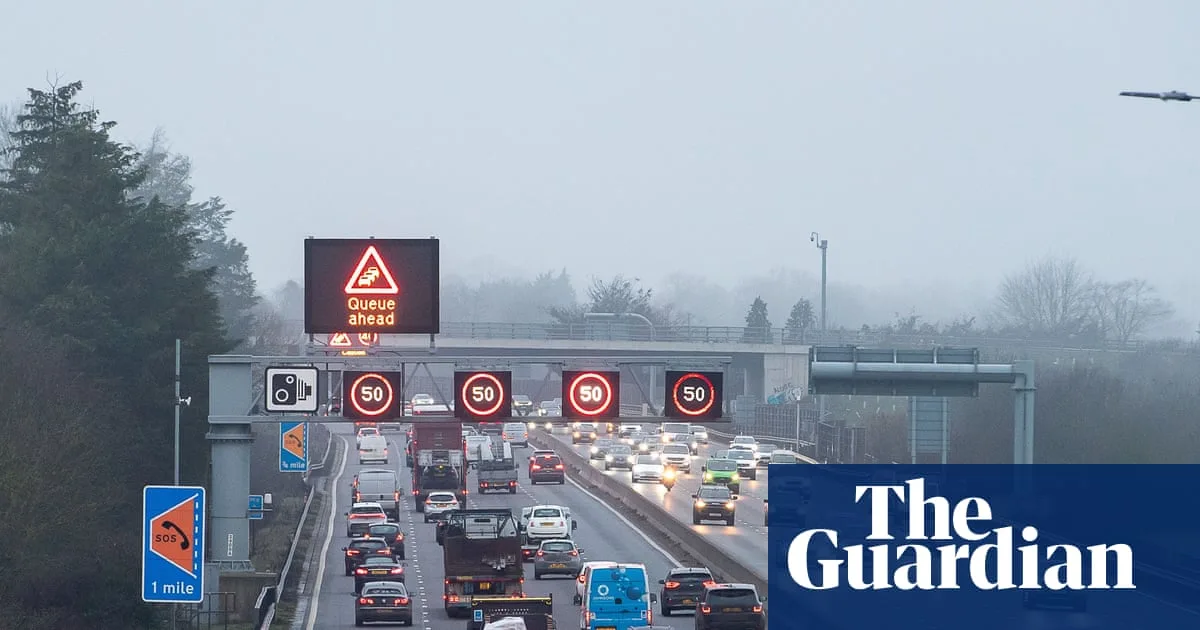
A government source indicated that several measures would be implemented by the Department for Transport, including cutting road speeds by up to 10mph on motorways, where electronic signs can be adjusted remotely. Lower speeds reduce fuel consumption; parts of the M6 near Birmingham have previously been restricted to 60mph to cut emissions. The IEA has also proposed limiting when private cars can enter cities, a policy used in Paris, Delhi and Athens.
The UK’s extensive network of traffic cameras would provide the technical ability to enforce such restrictions, although they could prove politically contentious. The Labour leadership has distanced itself from London’s ultra-low emission zone. National Highways, which has over 4,000 monitoring cameras, declined to comment, while Transport for London said it lacks the legal powers to implement a rotation scheme.
The RAC said petrol prices have risen by 9% since the conflict began and diesel by 17%, adding £6.40 to the cost of filling a typical family car with unleaded and £13 for diesel. Further rises appear inevitable, with the average price of unleaded likely to reach 150p per litre by Easter. DESNZ is seeking to avoid panic-buying and has pointed to fuel retailers’ advice to fill up as normal, noting that production is unaffected and imports continue as usual.