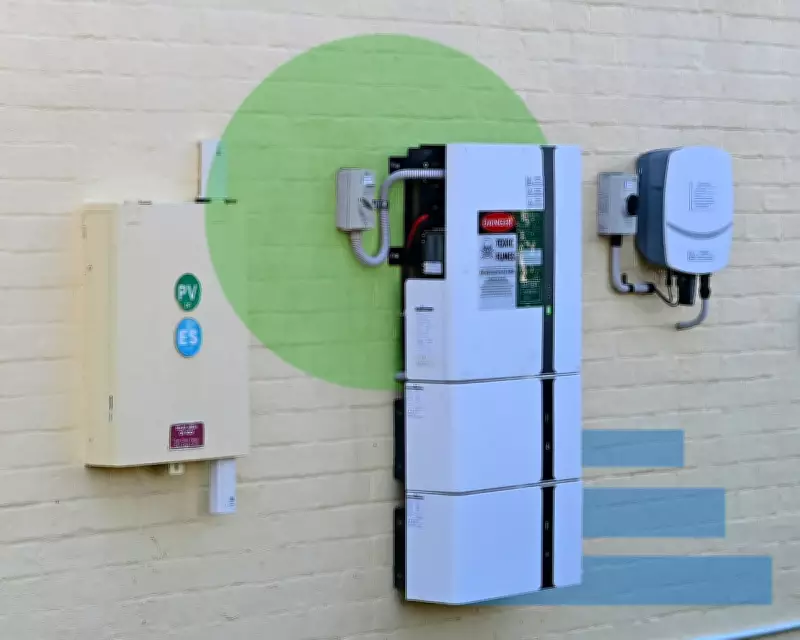
More than 400,000 home batteries have been installed under Australia's government subsidy scheme, but experts caution that bigger is not always better when it comes to value. Here is what you need to consider before installing one.
Federal Government Changes
The cheaper home batteries program initially encouraged oversized systems. In December, the government announced a tiered scheme to better tailor systems to household needs. From May, all battery systems receive the full base subsidy on the first 14 kilowatt hours (kWh) of usable capacity. Systems above 14kWh get 60% of the subsidy up to 28kWh, and those between 28 and 50kWh receive 15%. The discount will be reduced every six months until 2030.
Should You Buy a Battery?
Tim Forcey, a home comfort and energy adviser, advises households to first improve energy efficiency with better insulation, draught-proofing, and double-glazed windows. Next, electrify your home with split-cycle air conditioning, induction cooktops, and electric water heaters. "Having a big battery that you're using to power a leaky house is not an efficient or effective use," he says.

Best Time to Invest
UNSW's Dr Dylan McConnell notes that every household is different. Batteries work best with solar panels. Nigel Morris of the Smart Energy Council recommends maximizing solar capacity: "The best bang for your buck is to put on as much solar as you can." For those new to solar, going bigger can future-proof for EVs or increased consumption.
Do Your Homework
Choosing a reputable installer is crucial. A badly placed battery can be a safety hazard. Forcey warns of installations that draw power during expensive times and discharge at cheap times. Ensure your installer explains how the system works.
Getting the Most Out of Your Battery
Read your electricity plan to understand charging rates. From July, some providers offer free electricity between 11am and 2pm, allowing you to charge your battery for evening use. EV-specific plans may also be available.