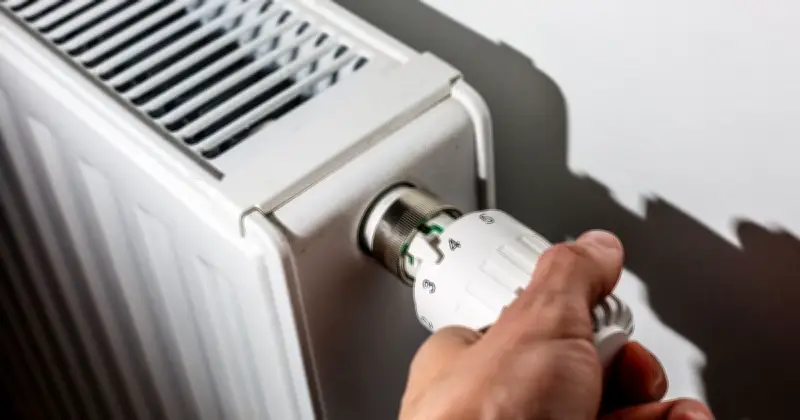
Households across the UK can stay warm this winter with a simple heating change and get up to £120 back on their energy bills. With Ofgem's energy price cap forecast to rise by around 22% in January, small savings are worth considering.
Recommended Heating Temperatures
Advice from Public Health England, the NHS and the Met Office states that homes should be heated to a minimum of 18C day and night in winter, although people aged 65 and over may benefit from room temperatures slightly above this level to help stay healthy.
Keeping your home at a temperature of at least 18C can help fend off winter bugs, including colds, flu and Covid, as well as more serious health problems like pneumonia, heart attacks, strokes and depression.
Savings from Turning Down the Thermostat
Turning your thermostat down by just one degree can save the average home around £120 per year on heating costs. According to the Energy Saving Trust, if your heating is normally set higher than 18C, such as 22C, lowering the temperature by one degree can make a difference to energy costs without massively reducing warmth.
Dropping your thermostat from 22C to 21C, for example, can give an annual saving of up to £120, so it may be worth making the change and putting on an extra jumper if necessary.
Thermostat Advice from the Energy Saving Trust
Rather than adjusting your thermostat every time you feel cold, the Trust recommends leaving it set to a specific temperature all the time, as this avoids wasting energy. Experts advise using a timer or programmer to control when your heating comes on and goes off, so you are not running it when you do not need to.
In its online advice, the Energy Saving Trust said: "A room thermostat stops your central heating system using more energy than it needs to. It turns the heating on until the room reaches the temperature you've set. Once it reaches the set temperature, it turns the heating off until the temperature drops again.
"There isn't usually one in each room. Typically a house will have just one room thermostat, but some might have two or more. You don't need to turn your room thermostat up when it is colder outside. Your home will heat up to your chosen temperature whatever the weather, but it may take a little longer on colder days. Remember: turning up your room thermostat won't make your home heat any faster!"
It added: "You should set your thermostat to the lowest comfortable temperature for your needs. For most people, this is between 18C and 21C. If you can, turning down your thermostat from 22C to 21C can save £120 a year in GB and £80 in NI on energy bills."
Other Cost-Saving Measures
It is advised not to let your home drop below 18C if possible, so if your heating is already at that level, there are other cost-saving measures to try instead. You can choose to heat only the rooms you use most often, like your living room or bedroom, to save money.
To ensure heat does not escape, use draught excluders to seal gaps around windows and doors, and make sure radiators are not blocked by furniture or curtains.