

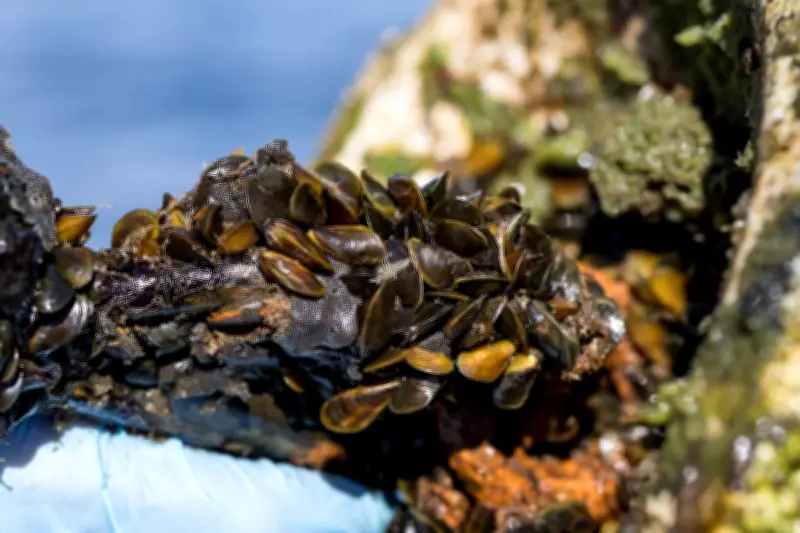
An invasive species of mussel is causing significant disruption along the West Coast of the United States, prompting emergency declarations and costly eradication campaigns. The golden mussel, a fast-moving mollusk that can clog pipes and damage water infrastructure, has been detected in California and Oregon, raising fears of further spread to Washington.
Emergency Measures in California
In California's San Joaquin and Kern Counties, the presence of golden mussels has led to a state of emergency. The mussels threaten water quality and critical infrastructure, including a $100 million floodgate. Sam Blue of the Arvin-Edison Water Storage District warned local officials that the mussels move with "terrifying speed" and that a single female can produce over one million eggs annually. The county has already spent $3 million on a chemical eradication campaign since the mussels were first discovered in the Sacramento–San Joaquin Delta in 2024.
Spread to Oregon and Washington Concerns
The mussels have since been found on the hull of a boat in Oregon waters, prompting concerns about further spread to Washington. The Washington Department of Fish and Wildlife noted in a blog post that the Oregon interception confirms an active pathway for golden mussels through contaminated recreational boating and aquatic equipment. "No longer a distant threat, the risk that golden mussels could be introduced to our waters is significant," they wrote.

Impact on Water Supply and Ecosystems
For residents in threatened areas, the Asian mollusks could disrupt water flow to homes and food production. Growing up to two inches long, golden mussels can survive short periods in saltwater and cause costly repairs for boats and hydroelectric facilities. They also increase the risk of harmful algal blooms that kill native fish species, as they are filter feeders that consume large quantities of microscopic aquatic plants and animals that native species depend on.
Unique Ability to Swim
Unlike zebra and quagga mussels, which spread by falling off and reattaching to hard surfaces, golden mussels can swim. This allows them to move into unwanted areas and form dense carpets. Nathan Richey, an Aquatic Invasive Species Technician with Oregon's Department of Fish and Wildlife, explained that the mussels "actually decide when they want to hop up, swim around and move."
Prevention and Control Efforts
Boat, kayak, paddleboard, and other watercraft owners can help prevent the spread by removing visible animals before leaving an area, draining water-containing devices, and drying everything for at least five days. Vessel inspections by state authorities are also available. An inspection prevented a boat from entering Lake Tahoe last May, according to the non-profit Keep Tahoe Blue. Congressman Vince Fong recently secured $5 million for an inspection and prevention program to protect Central Valley water infrastructure. Authorities emphasize that prevention is crucial, as eradication is often impossible once the mussels become established.






