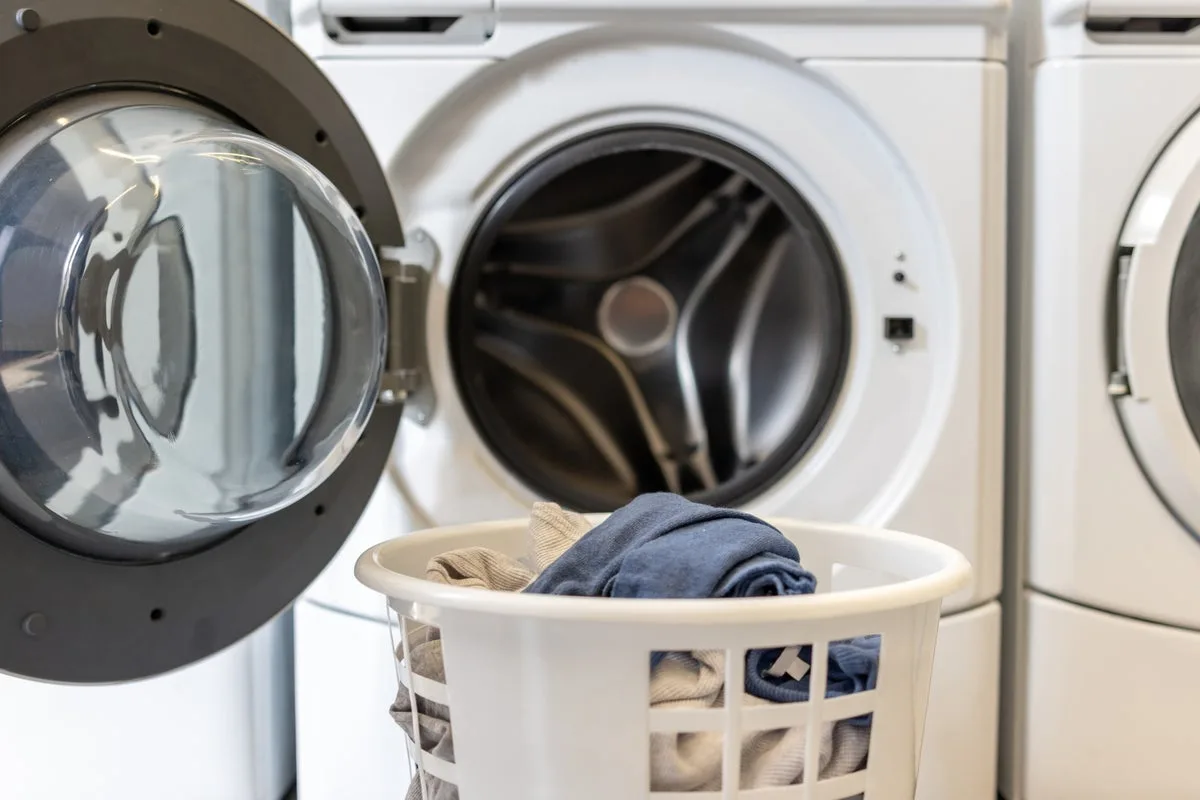
Britons could receive free or discounted electricity for doing laundry or washing dishes at weekends under a new scheme designed to address surplus power supply. The National Energy System Operator (Neso) announced the initiative on Tuesday, encouraging households to increase electricity use during periods of oversupply.
Electricity demand typically falls at weekends, on bank holidays, and during warmer weather. Households with smart meters could be rewarded through their energy suppliers or third-party apps by running appliances such as washing machines, dishwashers, or charging electric vehicles when supply exceeds demand, Neso said.
Dr Deborah Petterson, Neso’s director of resilience and emergency management, said the tool will “not only reward consumers and businesses for flexible electricity use but also strengthen the resilience and efficiency of Great Britain’s electricity network.” She added that the system is well adapted to support a clean, resilient future and manage changing electricity use patterns over summer.
Periods of surplus power have become more common in recent years due to the growth of smaller, local electricity generators, reducing reliance on large power stations. The scheme could also prevent Neso from paying wind and solar farms to switch off and firing up alternative sources. In 2025, the UK paid nearly £1.5bn in wasted wind power costs.
Neso said demand on the transmission network could fall to a record low this summer as solar generation rises. Meanwhile, the closure of the Strait of Hormuz in February has sent gas and oil prices soaring, prompting many UK households to turn to solar panels and heat pumps. Greg Jackson of Octopus Energy reported a 50 per cent rise in solar panel and heat pump sales in March.